Turf laying in Dalston
If you are looking for turf laying in Dalston, you may already know how hard it can be to get a lawn started properly in an inner-London setting. Small gardens, shaded yards, narrow side access, and busy streets all create challenges that need more than a quick roll-out of turf. A well-prepared lawn can transform a courtyard, terrace, family garden, roof terrace, communal space, or commercial frontage into something that feels calmer, cleaner, and far more inviting. For local customers in Dalston, a professional turf installation is often the quickest way to achieve a fresh green finish that looks good from day one.
Dalston properties are varied, and that matters when planning a new lawn. Some homes have compact rear gardens with uneven ground, others have long narrow spaces behind converted flats, and many local businesses need a smart outdoor area that can handle regular foot traffic. Whether you are replacing a tired lawn, laying turf on newly landscaped ground, or improving an outdoor space after building work, the key is proper preparation, the right turf choice, and careful installation. That is what helps the lawn settle quickly and stay healthy.
Choosing a local team for lawn turfing also means practical benefits. A crew that regularly works in Dalston understands access limits, parking considerations, delivery timing, and the types of soil and drainage issues often found across Hackney and nearby neighbourhoods. That local experience can make the difference between a lawn that struggles and one that establishes well. If you are planning a garden refresh, preparing a home for sale, improving a rental property, or upgrading outdoor customer space, turf laying done properly can be one of the most effective improvements you make.
Why turf laying is such a popular choice in Dalston

Many Dalston customers choose turf because it gives an immediate visual result. Seeded lawns take time, demand regular watering, and are easily affected by birds, pets, or unpredictable weather. Turf, by contrast, provides an instant surface that can begin rooting into the soil soon after installation. For busy households, landlords, and business owners, that speed matters. You get a garden or outdoor space that looks finished much sooner, while still allowing the lawn to develop into a durable, natural surface.
There is also a strong practical reason. In many local properties, outdoor areas are used more intensively than in suburban settings. Small gardens in Dalston may need to work hard as places for children to play, a spot for a morning coffee, or a social area for summer evenings. Commercial spaces may need neat grass around seating, entrances, or event areas. A fresh lawn can soften hard landscaping, improve the feel of the property, and make the whole space more usable. When installed well, it becomes both a visual feature and a functional asset.
Another reason turfing remains popular is the ability to correct problems quickly. If your current lawn is patchy, waterlogged, compacted, or full of weeds, starting again with new turf can be more practical than trying to rescue it. In gardens affected by old paving removal, building debris, tree roots, or heavy use, a new lawn gives you a clean slate. The important part is not just replacing the grass, but making sure the ground beneath is properly prepared so the new turf can take root and thrive.
What is included in a professional turf laying service
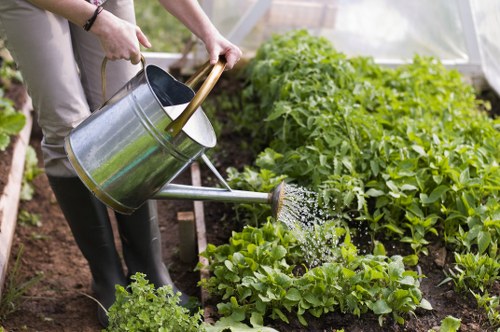
A proper turf installation is much more than dropping rolls of grass onto the soil. The process begins with assessing the site, checking access, measuring the area, and looking at the condition of the ground. This is especially important in Dalston, where gardens and access routes can be tight, and where one property may have very different conditions from the next. Good planning helps avoid delays, ensures waste is managed efficiently, and allows the turf to be laid at the best possible time.
Typical turf laying work includes removing old grass, weeds, stones, and debris; levelling and shaping the soil; improving drainage where needed; and preparing a fine, firm tilth for installation. A professional approach may also include adding topsoil or soil improvement materials if the existing ground is too poor or uneven. Once the surface is ready, the turf is laid in a staggered pattern, pressed firmly into place, and finished so the joints are neat and the edges are tidy. The final result should look seamless rather than obviously patched together.
Many customers also want help with edging, boundary lines, and the transition between lawn and other surfaces. That can include gravel strips, paving edges, raised beds, patios, or existing paths. A good lawn installer will think about the whole space, not just the grass itself. This matters in mixed-use gardens common around Dalston, where a lawn may sit beside decking, planters, sheds, bike storage, or paved seating zones. The aim is to make the whole outdoor area feel balanced and easy to maintain.
Common stages of the work
- Initial site visit or assessment
- Measuring the lawn area accurately
- Removing old turf, weeds, or rubble
- Soil cultivation, levelling, and shaping
- Drainage checks and surface improvement
- Supply and laying of selected turf
- Rolling, trimming, and finishing edges
- Basic aftercare advice for establishment
Why local knowledge matters for Dalston homes and businesses

Dalston is a busy part of East London with a mix of period homes, modern flats, converted buildings, shared gardens, and commercial premises. That variety creates different demands for turf work. A front garden on a residential street may need a lawn that looks tidy from the pavement and can survive regular foot traffic. A rear garden behind a terrace may have difficult access and compacted ground from previous construction. A café courtyard or office outdoor area may need a grass finish that feels welcoming but is also practical to clean and maintain.
Local experience helps with these details. In areas like Dalston, access often means carrying materials through narrow side gates, communal hallways, alleyways, or limited service entrances. Parking can also be challenging, which affects delivery timing and the smooth movement of materials. A local turf laying team is used to planning around these realities, which helps the job run efficiently and reduces disruption for neighbours, tenants, or customers. That practical planning is especially valuable for occupied homes and working premises.
There is also the matter of soil and drainage. Inner-city gardens can vary a lot, even on the same street. Some have clay-heavy ground, some are compacted by years of use, and others have drainage issues caused by surrounding paving or nearby structures. Professional turf laying in Dalston should always take these conditions into account. If the base is not right, even the best turf will struggle. A local installer who understands these common issues can recommend the right preparation so your new lawn has a better chance of settling in well.
Types of properties we often see
- Terraced houses with narrow rear gardens
- Purpose-built flats with shared communal space
- Converted Victorian and Edwardian buildings
- New-build homes with landscaped plots
- Rental properties needing a quick outdoor refresh
- Commercial entrances, courtyards, and outdoor seating areas
Preparing your garden before turf is laid

Good preparation is the foundation of every successful lawn. Before turf arrives, the ground should be cleared, levelled, and checked for drainage and stability. In many Dalston gardens, the previous surface may be uneven, overgrown, or mixed with old paving materials. If turf is laid over poor ground, it may dry out in some places, puddle in others, or fail to root properly. Preparation takes time, but it is time well spent because it protects your investment and improves the look of the finished lawn.
For customers, a little preparation before the team arrives can make the work easier. Try to remove furniture, pots, toys, and other loose items from the area if possible. Make sure access routes are clear, especially where materials will need to be brought through a side passage or shared hallway. If pets use the garden, arrange a safe temporary alternative. It also helps to think about where bins, bikes, and tools will be stored while the work is taking place.
Some jobs may also need practical checks before the turfing begins. If there is an irrigation system, a soakaway, tree root pressure, or standing water after rain, those issues should be considered before any grass is rolled out. A reliable local team will discuss these points with you rather than rushing ahead. The goal is not just to finish the job, but to create a lawn that can establish properly and remain easier to maintain in the months ahead.
Helpful preparation checklist
- Clear furniture, ornaments, and loose garden items
- Arrange access for materials and waste removal
- Keep pets and children away from the work area during installation
- Flag up known drainage, root, or ground level problems
- Think about watering access for the aftercare period
- Confirm boundaries if the lawn sits near shared areas or neighbouring plots
How the turf laying process usually works

Every garden is different, but the process generally follows a clear sequence. First comes assessment and quotation, where the area is measured and the site conditions are reviewed. Next, the existing surface is removed or reduced to create a suitable base. If necessary, soil is brought in to improve levels, depth, and quality. The ground is then cultivated and graded so water drains sensibly and the surface looks even when finished.
Once the soil base is ready, the turf is delivered as fresh rolls and laid promptly. Timing matters because turf is a living product and should not be left stacked for too long. The rolls are installed in a staggered pattern like brickwork so the joins are less visible. Edges are trimmed carefully around paths, borders, drains, and structures. The turf is then pressed to make solid contact with the soil below, which helps it root in more effectively. Depending on the conditions, a light roll or gentle finish may also be used to improve the final surface.
After the turf has been installed, aftercare advice becomes important. This usually includes watering, avoiding heavy use during the early establishment period, and checking how the lawn responds in hot or dry weather. The first few weeks are critical. A well-laid lawn should begin to knit into the soil below, and with correct care it can start developing into a strong, healthy surface. If you are unsure about maintenance, it is sensible to ask for simple, practical guidance before the team leaves the site.
What a finished lawn should look and feel like
- Even height and consistent colour
- Neat edges and tidy joins
- Firm contact with the ground beneath
- No obvious dips, soft spots, or ridges
- A surface that looks fresh without appearing overworked
Choosing the right turf for your space
Not every lawn has the same purpose, so the turf should be chosen with the site in mind. A family garden in Dalston that gets lots of use may need a durable lawn that can handle play and regular traffic. A more decorative front garden might prioritise appearance and neatness. Shadier spaces, which are common near taller buildings and boundary walls, may need specific attention because turf can struggle if light levels are limited. A local installer can help you think through those practical differences.
It is also worth considering how the lawn will be used during the year. If the garden is exposed to summer sun, the turf may need more careful watering while it establishes. If the site is shaded and prone to damp, drainage and soil preparation become even more important. If pets use the garden, you may want a robust lawn surface that can cope with wear and tear. These decisions are best made before installation rather than after problems appear.
For commercial premises, the right turf often depends on presentation and footfall. A restaurant courtyard, office break area, or retail frontage may need a lawn that looks smart and helps the property feel more welcoming. In those settings, the finished appearance is only part of the story. Maintenance, recovery after use, and suitability for the site all matter. That is why a thoughtful approach to lawn turfing in Dalston is so valuable: it helps you avoid choosing a surface that looks good briefly but does not suit the way the space is actually used.
Factors that influence turf choice
- Sunlight and shade
- Amount of foot traffic
- Presence of children or pets
- Drainage and soil condition
- Desired appearance and maintenance level
- Residential or commercial use
Pricing factors for turf laying in Dalston
Customers often want to know what affects the cost of a turfing project, and that is a sensible question. While exact prices vary from job to job, several factors consistently influence the overall quote. The size of the area is one of the most obvious. Larger gardens require more materials and more labour. However, smaller gardens can sometimes take longer than expected if access is tight or if the surface needs careful shaping and detail work.
Ground preparation is another major factor. If the existing lawn needs to be removed, if there is old rubble under the soil, or if significant levelling is required, the work will naturally take more time and resources. Soil improvement, additional topsoil, drainage corrections, edge work, and waste removal can also affect the total. In a place like Dalston, access and parking can make logistics more complicated, which may influence the amount of time needed on site.
It is also important to think about the quality of the result you want. A lawn that is intended to last and perform well should not be judged only on initial appearance. Careful preparation, responsible material handling, and proper finishing all add value. When you request a quote, make sure it reflects the actual site conditions and the scope of work. That helps you compare like with like and avoid surprises once the project is underway.
Typical quote considerations
- Area size and shape
- Condition of the existing ground
- Need for soil import or levelling
- Waste clearance and disposal
- Access for tools and materials
- Time required for finishing and detailing
- Any extra landscaping around the lawn
Why choose a local company for lawn turfing
A local company is often a practical choice because the team understands the realities of working in and around Dalston. They know how to plan around busy roads, limited parking, and homes where access is not straightforward. They are also more likely to be familiar with the common garden layouts in the area, including compact courtyards, shared outdoor spaces, and mixed-surface gardens that need careful handling. That local familiarity saves time and helps the work run more smoothly.
There is also a real benefit in communication. When you choose a nearby team, it is usually easier to arrange a site visit, discuss the project in practical terms, and agree on what will happen before work starts. That matters for homeowners, landlords, letting agents, property managers, and business owners alike. Turf laying should be clear, well-planned, and suited to your specific space. A local service is often better placed to provide that kind of attention.
For customers in Dalston and surrounding East London areas, working with a local team can also help with scheduling. If weather conditions change or access needs to be adjusted, a nearby crew is often better able to respond. That flexibility can be important when you are trying to coordinate with tenants, tradespeople, business opening hours, or other landscaping work. In short, local knowledge brings practical value that shows up in the finished result.
Benefits of using a local turf installer
- Better understanding of local access and parking challenges
- Experience with typical garden sizes and layouts
- Faster and clearer scheduling
- More practical advice for nearby property types
- Suitable for residential and commercial projects
Areas covered around Dalston
Although the focus here is turf laying in Dalston, many projects also involve nearby parts of Hackney and the surrounding East London neighbourhoods. Customers often need help in places with similar property styles, access conditions, and outdoor space constraints. If you are improving a garden close to Dalston, it is often useful to work with a team that regularly serves nearby streets and communities as well.
Typical nearby areas can include parts of Hackney, Stoke Newington, Haggerston, Kingsland, De Beauvoir, Homerton, London Fields, and other surrounding residential and mixed-use locations. The benefit of working across these areas is that the crew already understands the typical garden layouts, the pace of local streets, and the practical issues that come with transporting materials in an urban setting. This kind of familiarity can help the job move efficiently from first visit through to completion.
If your property is just outside Dalston, it is still worth asking whether the service area includes your location. Many landscaping projects are only a short distance away, but the access and site conditions can still vary enough to matter. A local turfing team should be able to advise whether the job can be scheduled and what type of preparation might be needed.
Suitable for a range of customers
- Homeowners improving a private garden
- Landlords preparing a rental property
- Letting and property managers
- Businesses wanting a better outdoor appearance
- Community and shared-space projects
Aftercare tips for a newly laid lawn
Once the turf has been laid, good aftercare is essential. The first priority is water. Fresh turf needs moisture to settle into the soil below, especially during warm or dry weather. The amount and frequency of watering can vary depending on the season, exposure, and ground conditions, so it is wise to follow the advice given at handover. Dry edges, curling turf, or patchy colour can all be signs that the lawn needs attention.
It is also important to limit foot traffic while the turf is establishing. Even if the surface looks finished straight away, the roots need time to anchor. Heavy use too early can create movement, flatten areas, or leave marks in the lawn. Try to avoid mowing until the turf is firmly rooted, and do not rush the first cut. A little patience in the early stages usually pays off with a stronger lawn later on.
Weed control, feeding, and regular maintenance also help after the establishment period. The exact routine will depend on the type of turf, the time of year, and how the space is used. If the lawn is in a shaded garden, near trees, or close to paved areas, it may need a slightly different maintenance approach. A good turf installer should be able to explain the basics clearly so you know what to expect once the job is complete.
Simple aftercare reminders
- Water regularly during establishment
- Keep off the grass as much as possible at first
- Wait until the roots have settled before mowing
- Check for drying at the edges and in sunny spots
- Keep the lawn clear of debris and pets where possible
Frequently asked questions about turf laying in Dalston
How long does turf take to settle? This depends on the weather, soil condition, and aftercare. In good conditions, turf begins rooting fairly quickly, but full establishment takes longer. The first few weeks are the most important for watering and protection.
Can turf be laid on top of old grass? In most cases, old grass and weeds should be removed first. Laying turf over an untreated base usually leads to poor results because the new roots need direct contact with prepared soil.
Do small Dalston gardens need the same preparation as larger ones? Yes. Even a compact courtyard or narrow strip garden needs the ground to be properly prepared. In fact, small spaces often need more careful levelling because imperfections are easier to notice.
What if my garden has poor drainage? Drainage problems should be addressed before turf is laid. That may involve changes to levels, soil improvement, or other practical adjustments. If water tends to collect after rain, mention it during the initial discussion.
Can you work around limited access? Many Dalston properties have restricted access, and this is something local teams deal with regularly. It is important to mention side passages, shared entrances, or parking limits when arranging the project so that planning is realistic.
Is turfing suitable for commercial properties? Yes. Turf can be a strong option for courtyards, entrance areas, and outdoor customer spaces where a natural look is desirable. The main consideration is how much use the lawn will get and how easy it will be to maintain.
How soon can I use the lawn? Light use may be possible after the initial establishment period, but it is best to wait until the turf has rooted properly. Premature use can damage the finish and make the lawn harder to maintain.
If you are planning turf laying in Dalston and want a result that looks good and performs well, the best next step is to discuss your space, access, and expectations in detail. A clear, site-specific plan will help you get the most from the project.
Book your turf laying project with confidence
New turf is one of the fastest ways to improve an outdoor space, but the result depends on proper preparation and careful installation. In Dalston, where gardens and access conditions can be varied, choosing a local team that understands the area is especially useful. Whether you need a fresh lawn for a home garden, a rental property, a communal area, or a commercial setting, the right approach will save time, reduce disruption, and create a more dependable finish.
If you are comparing options, focus on the details that matter: ground preparation, drainage, access planning, finishing quality, and aftercare advice. Those are the elements that determine whether the lawn simply looks new for a week or becomes a practical, attractive part of the property for the long term. A well-executed turfing project can improve kerb appeal, make outdoor spaces more usable, and create a more inviting atmosphere for family, guests, tenants, or customers.
Contact us today to discuss your project, request a free quote, or book your service now. If you are ready to transform your outdoor space, a professionally laid lawn could be the simple, effective upgrade you need.