Health and Safety Policy for Landscaping Dalston
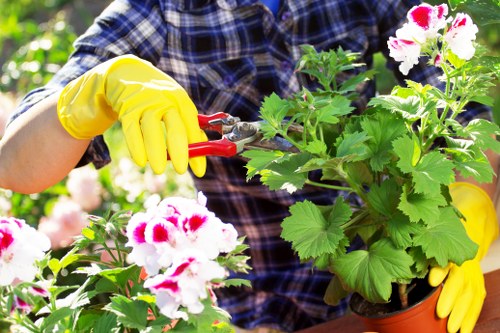 Health and safety is a core part of every landscaping Dalston project. This policy sets out the standards expected to protect employees, contractors, clients, visitors, and the public during all stages of work. From garden preparation and turfing to paving, planting, hedge cutting, and site clearance, all tasks must be planned and carried out with care, competence, and attention to risk.
The aim of this policy is to prevent injury, reduce hazards, and support safe working practices at every level. Our landscaping team understands that outdoor work can involve uneven ground, sharp tools, moving equipment, manual handling, weather exposure, and temporary site changes. Because of this, every job must begin with a suitable risk assessment and clear method of working.
All personnel involved in landscaping services must follow site rules, use equipment properly, and report unsafe conditions immediately. No task is so urgent that it should be completed without proper protection or preparation. Where risks cannot be removed entirely, they must be controlled through planning, supervision, training, and the use of suitable protective measures.
General Responsibilities
Everyone working on a landscaping service has a duty to act responsibly and look after the safety of themselves and others. Managers are responsible for setting standards, checking that equipment is safe, and making sure work is planned in a practical way. Supervisors must monitor the site, ensure instructions are understood, and stop work if conditions become unsafe.
Operatives must wear required personal protective equipment, use tools only for their intended purpose, and keep work areas tidy. This includes safe storage of materials, clear walkways, and proper disposal of waste. Slips, trips, and falls are common hazards in garden and grounds work, so good housekeeping is essential throughout the day.
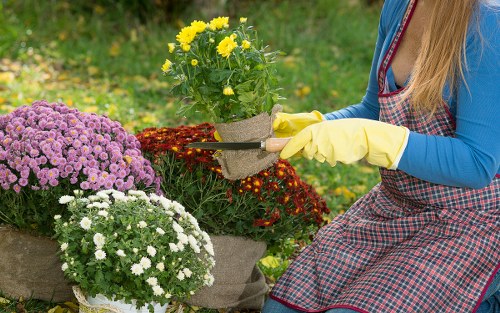 All team members must communicate clearly when moving heavy items, reversing machinery, or working near others. If a task involves noise, dust, vibration, chemicals, or traffic-related risks, additional controls must be put in place. The same high standard applies whether the work is a small domestic garden or a larger commercial landscaping project.
Risk Assessment and Safe Systems of Work
Before any job begins, the site must be checked for hazards such as hidden cables, unstable surfaces, overhead obstructions, underground services, sharp debris, or restricted access. A suitable risk assessment should identify the people who may be affected and determine the controls needed to reduce harm.
Safe systems of work must reflect the nature of the task. For example, cutting, digging, lifting, and operating powered tools all require different precautions. Where necessary, barriers, signage, or controlled access must be used to keep the public and unauthorised persons away from work zones. In Dalston landscaping environments, where sites may be busy or shared with residents and passers-by, clear separation of work areas is especially important.
Weather conditions must also be considered. Heavy rain, ice, strong winds, and excessive heat can affect ground stability, tool handling, and worker wellbeing. Work should be paused or adapted if conditions create avoidable danger.
Equipment, Tools, and Machinery
All equipment used in landscape maintenance must be suitable, well-maintained, and checked before use. Damaged tools, faulty guards, worn cables, leaking fuel containers, or unsafe attachments must be removed from service immediately. Only trained and authorised individuals may operate machinery such as mowers, cutters, compactors, or excavators.
Powered equipment should be handled with caution and kept in safe working order through regular inspection and servicing. Guards and safety devices must never be bypassed. Fuel, batteries, and chemicals should be stored and used according to manufacturer instructions. During transport and storage, tools must be secured to prevent damage or accidental activation.
 Manual handling also requires careful control. Soil, stones, timber, plants, paving slabs, and waste bags can all create lifting hazards. Loads should be assessed before moving, mechanical aids used where possible, and lifting techniques adjusted to reduce strain. Team lifting may be necessary for awkward or heavy items.
Training, Supervision, and PPE
All workers must receive appropriate training for the tasks they perform. This includes tool use, hazard recognition, emergency procedures, manual handling, and safe chemical handling where relevant. Refresher training should be given when new equipment, methods, or risks are introduced.
Supervision must be proportionate to the level of risk and experience of the workforce. New staff, temporary workers, and subcontractors should not be left unsupervised on higher-risk tasks until competence is confirmed. A landscaping Dalston team should always understand who is responsible for day-to-day oversight and escalation of concerns.
Suitable PPE may include gloves, safety boots, eye protection, hearing protection, high-visibility clothing, and weather-appropriate clothing. PPE is the last line of defence and does not replace safe work planning, but it remains essential where hazards cannot be fully eliminated.
Welfare, Emergency Response, and Reporting
 Welfare arrangements must be adequate for the size and duration of each job. Clean drinking water, rest breaks, and access to sanitary facilities should be provided where required. Workers must be encouraged to report fatigue, illness, injury, or unsafe conditions without delay, as early reporting helps prevent incidents from escalating.
In the event of an emergency, work should stop immediately and the area made safe if possible. First aid provision, emergency contact procedures, and evacuation routes should be known to all relevant staff. Accidents, near misses, property damage, and equipment failures must be recorded and reviewed so that lessons can be learned and improvements made.
Where chemicals, fuels, or waste materials are used, they must be handled carefully to prevent spills, contamination, or exposure. Any incident involving sharp objects, animal waste, or suspected hazardous substances must be treated seriously and managed according to site procedures.
Policy Review and Continuous Improvement
 This policy will be reviewed regularly to ensure it remains effective, practical, and aligned with the changing needs of our landscaping services. Reviews should take into account incidents, changes in equipment, seasonal risks, new work methods, and feedback from supervisors and staff on site safety performance.
All workers are expected to support a culture of safety by following instructions, raising concerns, and contributing to a well-organised work environment. A strong health and safety approach protects people, supports reliable delivery, and helps ensure that every landscaping task is completed responsibly and professionally.