Landscaping Dalston: Creating Urban Outdoor Spaces with Character, Colour, and Practical Beauty
 When people think about improving a home or commercial property, the outside space often deserves as much attention as the interior. In a place like Dalston, where architecture, street life, and community energy all shape the local identity, thoughtful Landscaping Dalston projects can transform a plain outdoor area into something striking, welcoming, and useful. Whether it is a compact courtyard, a shared garden, a front terrace, or a larger rear space, the right design choices can bring life, structure, and value to an urban setting.
Dalston has a distinct rhythm. It combines period homes, modern developments, converted buildings, and busy streets lined with independent businesses and creative venues. Because of that variety, landscaping in Dalston needs to be flexible, stylish, and practical. A successful outdoor space here should not only look attractive but also respond to the realities of city living: limited space, shade from surrounding buildings, noise, privacy concerns, and the need for low-maintenance solutions that still feel personal and refined.
Many property owners now see landscaping as an essential part of making a place feel complete. From elegant planting schemes to durable paving, from subtle lighting to clever storage integration, the right approach can elevate everyday life. Dalston landscaping is not about copying a single formula. It is about shaping an environment that fits the property, the people who use it, and the broader feel of the neighbourhood.
Why Landscaping Matters in Dalston
Outdoor space in an urban area can serve many purposes. It may be a private retreat for relaxing after a long day, a social space for entertaining friends, a family-friendly area for children, or a polished frontage that improves curb appeal. In all these cases, landscaping in Dalston plays a vital role in making the area more enjoyable and more functional.
One of the main reasons landscaping matters in Dalston is the way it can improve small or awkward spaces. Urban gardens often come with constraints: narrow layouts, irregular boundaries, limited sunlight, and hard surfaces that can make the area feel cold. A skilled landscape approach can turn those challenges into strengths. Vertical planting, layered textures, and carefully planned seating areas can create depth and interest even where square footage is limited.
There is also a strong visual benefit. A well-designed exterior helps a property stand out, especially in a neighbourhood where buildings are close together and first impressions matter. Using greenery, materials, and structure thoughtfully can soften hard edges, add warmth, and create a sense of calm. Landscaping Dalston is often about balancing urban energy with natural elements, giving residents a peaceful outdoor atmosphere without losing the character of the area.
Understanding the Dalston Landscape
Dalston’s built environment has a strong influence on outdoor design. Many properties are surrounded by neighbouring buildings that affect light, privacy, and airflow. This means planting choices and layout decisions have to be made carefully. Shade-tolerant species may be ideal for certain gardens, while sun-loving plants can be used in brighter courtyards, balconies, or roof terraces. The aim is always to match the plant palette to the real conditions of the site rather than forcing a style that will not thrive.
Another important aspect is the local style. Dalston is known for creativity, individuality, and a mix of old and new. That gives landscaping projects room to be expressive. A garden here might blend contemporary lines with lush planting, or feature reclaimed materials alongside modern finishes. It could feel minimalist and structured, or relaxed and layered. The best Dalston landscaping services tend to understand that one-size-fits-all design rarely works in an area with such diverse properties and personalities.
Noise and privacy are also major considerations. Urban gardens can feel exposed, especially when neighbouring windows overlook the space. Strategic use of hedges, trellis panels, tall grasses, layered shrubs, and decorative screening can create a greater sense of enclosure without making the garden feel closed off. In this way, landscaping Dalston properties is as much about atmosphere as it is about appearance.
Popular Features in Landscaping Dalston Projects
The best outdoor spaces usually combine several elements that work together visually and practically. In Dalston, where outdoor areas can be compact or unusually shaped, every feature needs to earn its place. The right mix of hard landscaping, planting, and finishing details can make a big difference.
Hard landscaping often forms the backbone of the space. Paving, paths, steps, raised beds, and retaining edges all help define zones and improve movement through the garden. In urban settings, materials matter. Natural stone, porcelain paving, brick, gravel, and timber all bring different effects. A sleek contemporary garden may suit smooth large-format slabs, while a more organic or heritage-inspired space could benefit from warm brick and textured stone.
Planting is equally important. A thoughtful planting scheme adds movement, colour, fragrance, and seasonal change. Evergreen plants create structure throughout the year, while flowering species introduce bursts of interest across different seasons. Landscaping Dalston often makes use of layered planting that combines height, texture, and ground cover, helping the garden feel full even when space is limited.
Lighting is another feature that can significantly improve the usability of a garden. Subtle illumination along paths, under seating, or around key planting areas can make an outdoor space feel more inviting in the evening. It also adds depth and drama, highlighting textures and shapes that might disappear after sunset. For many residents, lighting turns a simple garden into an extension of the home.
Seating areas, built-in benches, and multi-purpose surfaces are also popular, especially where space must be used efficiently. In Dalston garden landscaping, flexible layouts are valuable because they allow one area to function in several ways. A bench can be a quiet reading spot, an entertaining space, or a visual anchor that helps structure the design.
Blending Practicality with Style
Urban landscaping works best when beauty and practicality are treated as equal priorities. A garden that looks impressive but is hard to maintain quickly becomes stressful. Likewise, a space that is practical but lacks visual appeal can feel uninspiring. The most successful landscaping in Dalston finds the right middle ground.
Low-maintenance planting is often a smart choice. This does not mean reducing the garden to bare surfaces and a few shrubs. Instead, it means selecting plants that suit the conditions and require manageable upkeep. Perennials, ornamental grasses, hardy shrubs, and ground cover can all contribute to a landscape that looks lively without demanding constant attention. Mulching can also help reduce weeds and retain moisture, which is especially useful in warmer months.
Storage integration is another practical concern. Urban gardens frequently need space for tools, cushions, bikes, bins, or outdoor accessories. Rather than letting these items disrupt the design, they can be incorporated through hidden storage benches, timber screens, or discreet cabinets. This approach helps maintain a clean, organised appearance while still supporting everyday use.
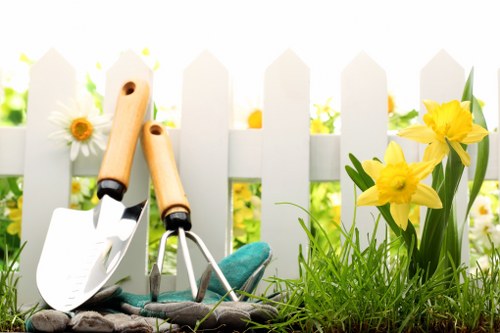 Drainage should never be overlooked. In any landscaping Dalston project, proper surface levels and water management are essential. Heavy rain can quickly expose poor planning, causing pooling, slippery surfaces, or damage to planting areas. Well-designed drainage solutions protect both the look and function of the garden, ensuring it remains usable and attractive throughout the year.
For smaller gardens, zoning can create the impression of greater space. Dividing the area into distinct but connected sections helps the eye move through the landscape. A dining area, a planting border, a seating nook, and a pathway can all coexist in a compact garden if the layout is carefully handled. Even a subtle change in paving, level, or planting style can help define these zones without making the garden feel fragmented.
Materials also shape the character of the finished project. Warm tones can make a space feel inviting, while cooler shades often create a crisp modern effect. Natural textures bring softness, while sleek finishes offer a more contemporary feel. In Dalston landscaping projects, combining materials in a balanced way often produces the most memorable results. It allows the garden to reflect the eclectic, creative spirit of the area while remaining cohesive.
Planting Ideas that Suit Dalston Outdoor Spaces
Plant selection can completely change the mood of a garden. In Dalston, where many outdoor areas are urban and partially shaded, the right planting strategy can make the difference between a space that feels sparse and one that feels rich and alive. The best planting schemes are often layered, resilient, and visually varied across the seasons.
Evergreen structure is a useful foundation. Plants that keep their foliage year-round give the garden continuity and help define its shape during colder months. Box alternatives, yew, holly, pittosporum, and other hardy evergreens can provide strong forms that anchor the design. Around these, seasonal plants can be introduced to bring colour and softness.
Flowering perennials offer colour that changes through the year. Lavender, geraniums, salvias, echinacea, and asters can all contribute to a vibrant scheme, depending on sunlight and soil conditions. Grasses such as miscanthus, carex, and stipas add movement and can make even a small garden feel more dynamic. In landscaping Dalston gardens, such combinations create a sense of rhythm and texture that works beautifully in urban settings.
Climbers are also useful, especially where vertical space is more available than ground space. Jasmine, clematis, ivy, and climbing roses can soften walls, fences, and screens. They are particularly effective in increasing privacy and bringing life to plain boundaries. For smaller plots, vertical planting can make a dramatic difference without taking up precious floor area.
Container planting is another option that suits many Dalston properties. Pots and planters allow flexibility, especially where the garden layout may need to change over time. They are useful for rental properties, terraces, patios, and roof spaces. They also give room for experimentation with colour, height, and seasonal interest. A well-chosen collection of containers can make a simple patio feel sophisticated and inviting.
Herbs and edible plants can also be included when appropriate. Rosemary, thyme, mint, chives, and compact fruit varieties add fragrance and usefulness to the garden. For residents who want their outdoor space to feel both beautiful and productive, this can be an ideal balance. Landscaping Dalston homes often benefits from features that support a relaxed, everyday lifestyle, and edible planting fits that aim well.
Designing for Small Gardens, Courtyards, and Terraces
Many Dalston properties have outdoor spaces that are compact or unconventional. That does not reduce their potential; in fact, smaller gardens often have more personality when the design is carefully considered. The challenge is to make the area feel open, usable, and visually interesting without overcrowding it.
One effective approach is to keep the layout simple and purposeful. Too many competing features can make a small space feel cramped. Instead, choosing a clear structure helps the garden breathe. Straight lines, integrated seating, narrow borders, and well-placed planting can make the space feel calm and ordered. At the same time, curves or irregular shapes can soften the design when a more relaxed feeling is desired.
Reflective surfaces, pale materials, and clever lighting can all help small gardens feel larger. Mirrors are sometimes used in sheltered spaces, though they should be placed carefully and tastefully. Light-coloured paving can brighten shady areas, while layered planting gives depth without clutter. These details are especially useful in Dalston garden design, where many outdoor areas have to work hard within a limited footprint.
For terraces and roof spaces, weight, wind, and access must also be considered. Lightweight planters, durable materials, and sturdy planting choices are essential. Privacy screens, raised beds, and furniture that can withstand changing weather conditions are often valuable additions. Even in the most compact outdoor setting, a thoughtful design can create a distinct retreat above the city.
 A well-planned terrace can feel like an outdoor room, with zones for dining, planting, relaxing, and storage. When these areas are connected by a consistent material palette and a clear design direction, the result feels polished rather than crowded. This is one reason landscaping in Dalston continues to be so popular among homeowners and developers alike.
Another benefit of compact-space landscaping is that it allows for more personal expression. A small garden can be highly curated, featuring unique planters, bold foliage, or a particular style such as modern minimalism, urban jungle planting, or heritage-inspired charm. Because the space is smaller, each decision has more impact, which can lead to very distinctive results.
Privacy, again, is central. In close-knit urban areas, people often want their garden to feel sheltered from view. Screening materials, climbing plants, and strategic layout planning can all support this goal. A garden that feels private naturally becomes more relaxing and more likely to be used regularly.
Landscaping for Front Gardens and Shared Spaces
Front gardens and communal entrances deserve special attention because they shape the first impression of a property. In Dalston, where street-facing areas are often visible to neighbours and passers-by, a smartly designed frontage can make a strong statement. It can also improve the overall experience of arriving home.
Front garden landscaping often benefits from a balance of openness and definition. Low hedging, well-spaced planting, and neat boundaries can make the space feel polished without making it feel closed off. Pathways should be easy to navigate, and materials should be durable enough to handle regular use. A mix of planting and paving usually works well, especially where space is limited.
Shared spaces present different challenges. They need to serve multiple users and remain attractive over time. Simple, robust designs are usually the most effective. Durable surfaces, easy-to-care-for planting, and clear layout choices help keep the space functioning well. In many cases, landscaping Dalston properties with shared outdoor areas means prioritising order, accessibility, and long-lasting visual appeal.
Even modest communal areas can feel welcoming when designed carefully. Seating, lighting, and planting can all contribute to a sense of identity and care. In urban environments, this is especially important because the outdoor area often becomes an extension of the building’s character. A well-landscaped entrance can suggest quality, attention, and a genuine respect for the people who use it.
Maintenance is another key consideration. Shared spaces should look good without becoming burdensome to manage. This often means choosing resilient species, using weed-suppressing materials where appropriate, and keeping the layout straightforward. The aim is to create a space that remains attractive with realistic levels of care.
Choosing a Style that Fits the Property
Every property has its own personality, and landscaping should respond to that. In Dalston, a design that suits a converted warehouse may look very different from one intended for a Victorian terrace or a modern apartment block. Successful Landscaping Dalston projects consider architecture, surrounding context, and the preferences of the people who live or work there.
A contemporary style may feature clean lines, architectural planting, muted colours, and minimal clutter. This can work especially well in newer developments or where a refined, urban feel is desired. On the other hand, a more naturalistic style might use abundant greenery, looser planting, and earthy materials to create softness and depth. Both approaches can work beautifully when they are applied with clarity and confidence.
Eclectic gardens are also well suited to Dalston’s creative atmosphere. These can combine old and new elements, mix formal and informal planting, and include distinctive decorative features. The key is coherence. Even when a space is expressive, it should still feel intentional. A clear palette of materials, a recurring plant theme, or a consistent layout can hold the design together.
The Lasting Value of a Well-Designed Outdoor Space
Investing in landscaping can do more than improve appearance. It can change the way a property is experienced day to day. A garden that works well encourages people to use it more often. It can support quiet time, social gatherings, outdoor dining, and a stronger connection to nature. In a busy part of London, that can be especially valuable.
Well-planned landscaping can also contribute to property appeal. Buyers and tenants often notice outdoor space quickly, and a neat, attractive garden can make a property feel more complete. This is not only about visual impact; it is also about suggesting care, quality, and livability. Landscaping Dalston therefore has a practical value as well as an aesthetic one.
Environmental benefits are another part of the picture. Plants can support biodiversity, improve air quality, and reduce the amount of hard surface in an area. Green space can also help with temperature regulation and create a more comfortable microclimate. Even a modest planting scheme contributes positively to the urban environment.
For many people, though, the greatest value lies in enjoyment. A well-designed garden offers a sense of escape without leaving home. It can provide a place to unwind, grow plants, entertain guests, or simply enjoy the changing seasons. That sense of everyday pleasure is one of the strongest reasons to invest in Dalston landscaping.
When an outdoor area is carefully shaped, it becomes more than just a border around a building. It becomes part of how the home or business is lived in, appreciated, and remembered. That is why the best landscaping projects focus not only on style, but also on how space feels and functions over time.
Creating Character, Comfort, and Practicality
At its best, Landscaping Dalston brings together the practical demands of city living with the desire for beauty, comfort, and individuality. It can turn a plain courtyard into a private retreat, a front garden into a welcoming statement, or a terrace into a highly usable outdoor room. The possibilities are broad, but the principle is consistent: design should be thoughtful, responsive, and made for real life.
Dalston’s creative identity makes it a particularly rewarding place for landscape work. There is room for innovation, but also a need for durability and intelligent planning. The outdoor spaces that stand out are usually those that respect the local context while adding something fresh and personal. They use planting, structure, texture, and proportion to make the most of every square metre.
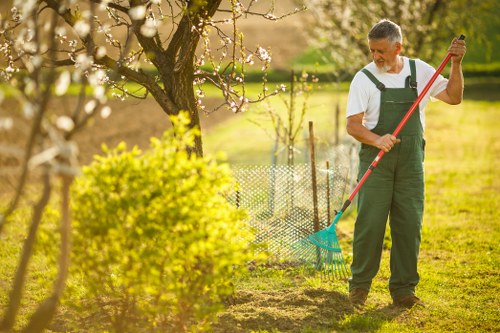 Whether the goal is calm, vibrancy, sophistication, or a blend of all three, a well-considered landscape can transform how a property looks and feels. With the right balance of plants, materials, and spatial planning, landscaping in Dalston can create outdoor areas that are not only attractive but genuinely enjoyable to use throughout the year.
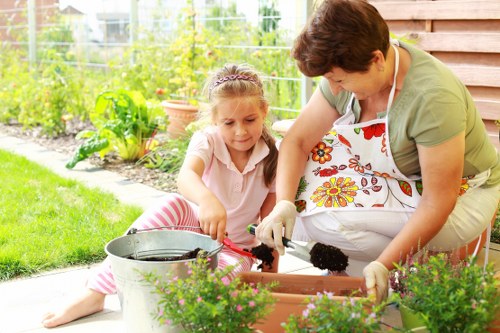 The most memorable landscaping in Dalston often reflects the personality of the property owner while respecting the practical realities of the site. That may mean a calm and restrained garden with subtle detailing, or a more vibrant and layered space full of seasonal change. Either way, the design should feel authentic and usable.