Garden design and build in Dalston
Beautiful outdoor spaces, designed for Dalston homes and businesses

If you are looking for garden design and build in Dalston, you may already know that local outdoor spaces need to work hard. In Dalston, gardens and courtyards are often compact, overlooked, shared, or shaped by awkward access, yet they still need to feel welcoming, practical, and easy to maintain. A well-planned outdoor area can turn a small rear plot, a roof terrace, or a commercial frontage into a place that adds value to daily life.
Our approach to garden design and build Dalston projects is straightforward: listen to what you want, assess what is realistic on site, and shape a space that suits your property, lifestyle, and budget. Whether you want a calm private retreat, a family-friendly garden, a modern planting scheme, or an outdoor area that reflects the character of a business premises, the aim is always to create something useful and attractive.
Dalston is a lively part of east London with a mix of Victorian terraces, converted flats, warehouse-style buildings, newer apartment developments, and commercial units tucked into side streets and mixed-use roads. That variety means no two projects are the same. Every site has different light, access, privacy, drainage, and storage needs, so a local team is valuable because the design can be shaped around real conditions rather than generic ideas.
What garden design and build services can include
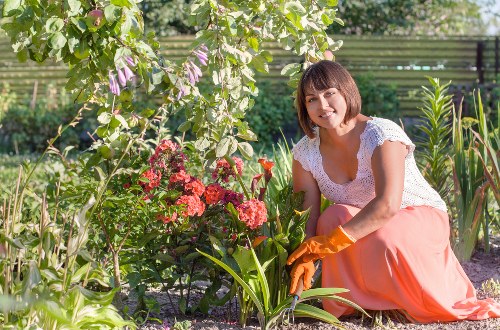
A complete garden design and build service normally covers both the creative planning and the physical construction. This is particularly helpful in Dalston, where many customers want one team to handle the full process rather than coordinating separate designers, landscapers, and trades. It keeps the project clearer, reduces delays, and helps the finished garden stay true to the original plan.
Depending on the property and brief, the service may include layout design, hard landscaping, soft landscaping, planting plans, lighting, fencing, decking, paving, raised beds, turfing, garden structures, and finishing details. If the space is especially tight, design decisions may also focus on storage, sightlines, seating, and how to make the garden feel more open and usable.
For many local customers, the biggest value comes from making practical improvements that are easy to live with. A thoughtfully designed garden should not only look good on day one; it should continue to function well through changing seasons, busy schedules, and everyday use. That is why the build stage matters just as much as the design stage.
Why Dalston properties need a considered approach

Dalston’s housing stock often comes with specific challenges that affect garden projects. Rear access can be narrow, shared passageways may be difficult to use, and parking for materials or skips can require careful planning. In many streets, space for unloading is limited, so project sequencing and site protection need to be thought through from the start.
Older homes may have uneven ground levels, old boundary walls, poor drainage, or outdated paving that needs replacing before the new design can be installed properly. Flats and maisonettes may have balconies, small courtyards, or communal outside areas that need a lighter-touch, low-maintenance solution. Commercial customers may need attractive outdoor frontage without obstructing customers, staff, or deliveries. The best garden design and build work takes all of this into account before the first spade goes in.
There is also the matter of privacy and light. Many Dalston gardens are surrounded by neighbouring properties, so planting, screening, and smart zoning can make a real difference. A good design can help you feel less overlooked, create a better flow between indoor and outdoor areas, and make even a modest plot feel more generous.
Designing a garden that fits how you live
Every customer wants something slightly different from their outdoor space. Some want a neat garden that needs minimal upkeep. Others want a sociable area for eating, entertaining, or relaxing. Families may need child-friendly surfaces, clear pathways, and durable planting. Businesses often want a polished entrance, usable courtyard, or outdoor seating area that feels consistent with their brand.
A useful design process starts with how the garden will actually be used. For example, if you enjoy evening gatherings, built-in lighting and comfortable seating become more important. If you have pets, the choice of surface and planting needs extra care. If you are short on time, a planting scheme with structure, seasonal interest, and manageable maintenance may be a better fit than a high-maintenance display garden.
In a place like Dalston, where homes often combine character with limited outside space, design decisions should be practical as well as attractive. It can be better to create one strong focal point than to overfill a space with features that crowd each other. Simple, well-judged choices often make the biggest difference.
What the process usually looks like

Although every project is different, most garden design and build in Dalston jobs follow a clear sequence. First comes an initial discussion about your aims, budget range, style preferences, and the problems you want to solve. This stage is important because it helps set realistic expectations and ensures the final space suits both the property and the people using it.
Next is the site review. Measurements are taken, access is checked, and the existing conditions are assessed. This may include looking at drainage, levels, boundaries, sun and shade, soil condition, and any features that need removing or retaining. In tightly built-up parts of Dalston, access details can also influence how materials are brought in and how waste is removed.
After that, the design can be developed into a practical plan. This may involve sketches, layout ideas, planting direction, and material suggestions. Once the plan is agreed, the build phase begins: demolition or clearance, ground preparation, structural work, hard landscaping, planting, and final detailing. A well-managed project keeps disruption to a minimum and helps the garden move from concept to completion smoothly.
Common features requested by local customers
People seeking garden design and build services in Dalston often ask for features that balance style and practicality. Compact urban gardens need elements that earn their place. The most successful projects usually combine a few well-chosen materials and functions rather than trying to do everything at once.
- Patios and paving for dining, seating, and easy maintenance
- Decking for level changes, roof terraces, or warm visual contrast
- Raised planters to define space and improve planting in compact areas
- Fencing and screening to support privacy and boundary definition
- Garden lighting for atmosphere, security, and evening use
- Planting schemes suited to sun, shade, and seasonal colour
- Artificial grass or turf where durability and maintenance matter
- Storage and seating solutions that make small spaces more functional
In some gardens, a strong structure matters more than elaborate planting. In others, the planting is the main feature and hard landscaping is kept simple. Either way, the goal is to create balance. A crowded garden can feel smaller, while a well-composed one can feel calm and spacious.
Hard landscaping and soft landscaping

Garden design and build work usually combines hard landscaping and soft landscaping. Hard landscaping includes the fixed elements: paving, walls, edging, steps, decking, pergolas, fencing, and structural features. These elements provide shape and durability, and they are especially important where levels or access need improvement.
Soft landscaping covers the living parts of the garden: soil preparation, turf, shrubs, perennials, climbers, trees, and seasonal planting. In Dalston, where many gardens are relatively enclosed, plant selection should account for shade from nearby buildings, moisture levels, and the amount of maintenance the owner is prepared to carry out. Good planting can soften hard surfaces, increase privacy, and make the space feel settled.
When hard and soft landscaping are planned together, the result usually works better over time. For example, a paved area can be framed with layered planting so it feels less stark. Raised beds can help divide a courtyard into usable zones. Climbers can soften fences and walls, while evergreen structure keeps the garden looking presentable year-round.
Local benefits of choosing a Dalston-based team
Working with a local team for garden design and build in Dalston can make the process easier from day one. Local knowledge matters when dealing with access restrictions, traffic conditions, delivery timing, and the mix of property types found across the area. It also helps to work with people who understand how outdoor spaces are typically used in this part of east London.
Dalston properties often require planning around neighbours, communal entrances, narrow side returns, and limited storage space for materials. A local team is more likely to anticipate these practical issues before they become problems. That can help reduce stress, keep the site tidy, and improve the overall flow of the job.
There is also a design benefit. Local outdoor spaces tend to share certain characteristics: compact footprints, urban privacy concerns, and a need for multi-purpose layouts. A local company can recommend materials and planting styles that fit the character of Dalston homes and commercial premises without making the space feel overdesigned or out of place.
Why many customers ask for a full design and build service
Some people start by looking for a design only, while others want construction only. However, many customers discover that a single team handling both is simpler and often more efficient. It keeps communication clear, helps the plan stay realistic, and avoids the disconnect that can happen when a design is passed from one contractor to another.
A full service is especially useful when the project includes custom features, built-in seating, level changes, or a mix of materials. These details need careful coordination so that the finished garden looks intentional and functions as expected. When design and build are connected, the final result is usually more coherent.
It can also be easier to make small adjustments on site if the same team understands both the design intent and the construction details. That flexibility can be valuable when dealing with older properties, hidden ground conditions, or access issues that only become clear once work begins.
What to expect during the build stage
The build stage is where the plans become real. This often begins with clearing the space, removing old paving, digging out worn beds, taking down damaged fencing, or preparing the ground for new features. In Dalston, where gardens may back onto other properties or share access, protecting surrounding areas is an important part of the work.
Once the site is ready, structural work comes next. This may include setting levels, installing retaining features, building edging, laying paving, constructing decking, or preparing foundations for garden structures. Careful workmanship at this stage is essential because it affects drainage, durability, and how easy the garden will be to maintain later.
After the structural work, the finishing stage begins. This includes planting, topping up soil, checking levels, adding mulch, installing lighting if required, and making sure the garden feels complete. A good team will leave the space tidy and ready for use, with details that make the difference between a basic outdoor area and one that feels properly finished.
Practical preparation checklist before your project starts
Preparing well can make your project smoother and help avoid avoidable delays. Before arranging a garden design and build project in Dalston, it helps to think through how the space is used now, what is not working, and what you want to change. You do not need a perfect plan, but the more clearly you can explain your needs, the better the final result is likely to be.
- Make a list of the main problems with the current garden.
- Note how you want to use the space: relaxing, dining, play, storage, planting, or all of these.
- Decide what you want to keep, such as a mature tree, existing wall, or favourite plant.
- Think about maintenance: do you want a low-maintenance scheme or are you happy with more care?
- Check access points, shared paths, and any likely restrictions for materials or waste removal.
- Consider how privacy, light, and drainage affect the space during different times of year.
It is also helpful to gather a few images of styles you like, even if your garden is very different in size or shape. These do not need to be perfect references; they simply help explain whether you prefer a modern, naturalistic, formal, or family-focused feel. A local designer can then adapt those ideas to suit your actual site.
Materials and finishes that suit Dalston gardens
Material choice can change the whole atmosphere of a garden. In urban spaces, the right surfaces and finishes can make a plot feel brighter, calmer, or more spacious. The best choice depends on how the garden is used, how much maintenance you are happy to do, and what will complement the building itself.
For many Dalston properties, materials that are durable, good-looking, and easy to keep clean are the most sensible starting point. Porcelain paving, natural stone, reclaimed brick, timber decking, composite decking, and gravel can all work well in the right setting. Each has different strengths, especially in relation to drainage, slip resistance, colour, and long-term upkeep.
Finishing details matter too. Edging, joints, lighting, and transitions between surfaces can influence how polished the final result feels. Small design decisions often have a big visual impact, particularly in compact gardens where every line is visible.
Planting ideas for urban privacy and year-round interest
Planting is one of the easiest ways to make an outdoor space feel softer and more inviting. In Dalston, many gardens benefit from layers of planting that bring height, texture, and movement without taking up too much room. Evergreens can provide structure, while flowering plants and grasses bring variety through the seasons.
Where privacy is a priority, a mix of screening plants, climbers, and taller shrubs can help reduce overlooking without making the space feel boxed in. In shadier gardens, plant selection should be adapted to conditions rather than forcing sun-loving varieties to struggle. A thoughtful planting plan can also reduce maintenance by choosing species that are suited to the site.
If you want a garden that looks good for more of the year, planning for seasonal interest is worth considering. That may include winter structure, spring bulbs, summer flowers, autumn colour, and evergreen elements. A balanced planting scheme can keep the garden interesting even when it is not in full bloom.
Commercial garden design and build for Dalston businesses
It is not only homeowners who need outdoor improvements. Dalston businesses, hospitality venues, studios, offices, and mixed-use buildings may also need smart exterior spaces that welcome visitors or improve staff wellbeing. A commercial outdoor area should feel tidy, durable, and appropriate to the way the premises operate.
For businesses, the priorities may include easy maintenance, safe walkways, strong visual presentation, and materials that stand up to regular use. In some cases, the aim is to create an attractive frontage that improves the first impression of a venue. In others, the job is to turn a neglected courtyard into a practical break area or usable extension of the building.
Because commercial spaces often have tighter operational constraints, planning the work carefully is essential. Access times, deliveries, customer movement, and noise management all need to be taken into account. A local team is useful here because it can work with the practical realities of Dalston streets and premises.
What affects pricing on a garden design and build project?
Every garden is different, so costs vary depending on scope, access, materials, and the amount of preparation needed. Rather than thinking in fixed numbers, it is more helpful to understand the factors that shape the price of the project. This makes it easier to compare options and decide where your budget should be focused.
- Garden size and complexity – larger or more detailed spaces usually take more time and materials.
- Site access – narrow entrances, shared routes, or difficult parking can affect labour and logistics.
- Existing conditions – old paving, poor drainage, roots, or uneven ground may need extra preparation.
- Choice of materials – different paving, decking, fencing, and planting options have different costs.
- Structural features – retaining walls, raised beds, steps, and bespoke joinery can increase the scope.
- Level of finish – detailed lighting, planting depth, and custom details can change the overall total.
When requesting a quote, it helps to be clear about what matters most to you. Some customers want the broad structure done first and plan to add planting later. Others want the garden completed in one phase. A good local company can talk through those options and help you prioritise the most important parts.
Areas covered around Dalston
Garden design and build services in Dalston often extend to nearby parts of east and north-east London, where housing and site conditions are similarly varied. This can include surrounding neighbourhoods with terrace houses, apartment blocks, terraces with rear access, and mixed-use streets where outdoor space needs practical shaping.
If you are based near Hackney, Kingsland, Stoke Newington, De Beauvoir, Haggerston, Shoreditch, or nearby residential and commercial areas, a local service can usually adapt to the type of property and the way the street works. The benefit of working locally is not just geography; it is familiarity with the realities of the area and the kinds of gardens people actually have there.
That local understanding helps with planning materials, timing visits, and managing work around access limitations. It also means the finished space is more likely to suit the neighbourhood and the building style around it. Local context matters when you want a garden that feels natural rather than imposed.
Frequently asked questions
Do I need a full design if my garden is small?
Not always, but even small gardens benefit from a clear plan. In a compact Dalston garden, a simple layout can prevent wasted space and make sure features work together. Even a modest redesign can improve movement, privacy, planting, and storage.
Can a garden design and build project work around limited access?
Yes. Limited access is common in Dalston, and it can usually be managed with the right planning. The key is to assess access early so materials, tools, and waste removal are organised properly. Some projects may need more careful scheduling than others.
What if I want a low-maintenance garden?
That is a very common request. A low-maintenance garden usually relies on durable surfaces, well-chosen planting, controlled borders, and simple layouts. It does not have to look plain; it just needs to be designed in a way that is realistic for your time and lifestyle.
Can you help with both homes and businesses?
Yes. Garden design and build can be tailored to residential courtyards, family gardens, terraces, roof spaces, hospitality venues, office exteriors, and other commercial outdoor areas. The main difference is in the way the space will be used and maintained.
How long does the work take?
Timeframes vary depending on the size and complexity of the project, the weather, material availability, and access conditions. A small redesign may move quickly, while a larger build with structural work will naturally take longer. A proper plan helps set expectations from the start.
Can planting be added later?
Yes, planting can be done in stages. Some customers prefer to complete the hard landscaping first and then add planting once they have lived with the space for a while. Others want everything finished together. Either approach can work well.
How to know when it is time to refresh your garden
If your garden has become difficult to use, if old paving is tired, if plants no longer suit the conditions, or if the layout simply does not fit the way you live now, it may be time to think about redesigning it. Many Dalston customers reach out after moving into a new home, preparing a property for sale, or deciding they want better use from an outdoor area they have ignored for too long.
Signs that a redesign could help include poor drainage, uneven surfaces, lack of privacy, unused corners, overgrown planting, or a layout that blocks rather than supports movement. Even if the issues feel small, a thoughtful redesign can make the whole space feel easier and more enjoyable to use.
If you are ready to improve your outdoor space, contact us today to discuss your ideas and find out how a tailored garden design and build service can work for your Dalston property. Whether you want a fresh layout, a more private garden, or a complete transformation, the right team can help you turn the space into something you will actually use.
Book your garden transformation in Dalston
Choosing garden design and build in Dalston means choosing a service that understands both the creative side of outdoor living and the practical challenges of working in a busy urban area. The best projects are those that make the most of the available space without overcomplicating it. They feel considered, durable, and easy to live with.
If you are planning a renovation, improvement, or full redesign, take the first step now. Request a free quote, share your priorities, and ask what is possible for your site. A good local team will help you explore the right mix of design, materials, planting, and construction so your garden works better for the long term.
Book your service now and start creating a garden that suits Dalston living: practical, attractive, and built around how you want to use it.