Soft landscaping in Dalston
If you are looking for soft landscaping in Dalston, you are likely after more than just a tidy garden. You may want a space that feels greener, easier to use, better suited to your home or business, and practical for day-to-day life in a busy part of East London. That could mean new turf, planting beds, hedge and shrub work, soil improvement, lawn repair, or a complete refresh of a courtyard, front garden, communal area, or commercial entrance.
Dalston has a wide mix of properties and outdoor spaces, from Victorian terraces and converted flats to modern developments, shopfronts, shared yards, roof terraces, and narrow rear gardens. Soft landscaping is especially useful here because many local spaces need careful planning, smart planting choices, and a finish that works with limited access, shade, noise, and urban conditions. A well-designed soft landscape can make a big difference to how a property looks and how it is used.
Whether you are improving a private garden, managing a rental property, updating a communal courtyard, or making the outside of a business feel more welcoming, the right local team can help you make sensible choices from the start. This page explains what soft landscaping includes, how the process works, what affects pricing, and why local knowledge matters in Dalston and the surrounding area.
What soft landscaping includes

Soft landscaping covers the living and natural parts of an outdoor space. It is different from hard landscaping, which includes paving, walls, patios, fencing, and other built features. Soft landscaping focuses on the elements that bring life, texture, colour, and seasonal change to a garden or external area.
For many Dalston customers, this kind of work is the part that transforms a plain or tired outdoor space into somewhere pleasant and useful. It can make a courtyard feel calmer, help a front garden look more cared for, or turn a neglected patch of ground into a practical green area that is easier to maintain.
Typical soft landscaping services may include planting, turfing, soil preparation, lawn care, bark mulch, border shaping, hedge planting, bed creation, and choosing plants that suit the location. It may also involve clearing old growth, improving drainage in planting areas, and preparing the ground properly before anything goes in.
Why soft landscaping matters in Dalston
Dalston is lively, dense, and varied. That creates opportunities, but it also means outdoor spaces often need extra thought. A shaded back garden may struggle with lawn growth. A front yard near a busy road may need hardy planting that can handle dust and exposure. A commercial frontage may need tidy, low-maintenance greenery that looks good throughout the year.
Soft landscaping in Dalston is valuable because it helps solve these local challenges while still making a property feel inviting. Rather than forcing a one-size-fits-all layout, a good approach takes account of light levels, available space, soil conditions, drainage, access for materials, and the way people actually use the area.
In a neighbourhood with shared gardens, narrow passages, and restricted parking, planning matters. Materials may need to be carried through a side gate or brought in at specific times. Some planting schemes need to be chosen for durability and easy upkeep. The right local service understands these practical details and builds them into the job from day one.
Soft landscaping services for homes and businesses
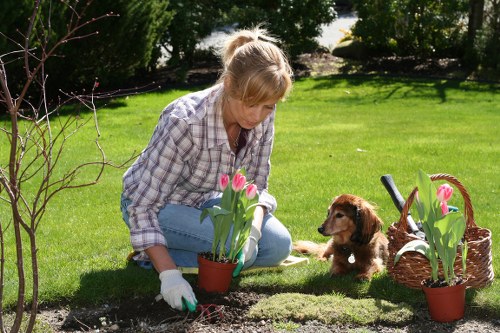
Many people think of landscaping as a private garden service only, but soft landscaping is just as relevant for local businesses, landlords, housing developments, and managed properties. In Dalston, the same team may be asked to reshape a small family garden, refresh communal planting around flats, or maintain the green areas around a café, studio, or office.
For residential customers, soft landscaping can make a courtyard more usable, soften a paved area, or improve kerb appeal before a property is sold or let. For commercial clients, it can help create a polished first impression, reduce messy or overgrown borders, and provide a better setting for customers, tenants, or staff.
Common requests in the area include fresh lawn installation, planters that work in compact spaces, border redesign, evergreen planting for year-round structure, and seasonal changes to keep an entrance looking neat. If you are not sure what your space needs, a practical site visit can help identify the most effective options.
What is included in a soft landscaping project?
Every project is different, but a good soft landscaping service will usually start with a look at the current condition of the space and a discussion about how you want to use it. From there, the work can be planned in a way that suits your budget, access, and maintenance preferences.
Typical inclusions may be:
- Site clearance of old plants, weeds, dead turf, and unwanted growth
- Ground preparation, including digging, levelling, and soil improvement
- New turf laying or lawn renovation
- Planting shrubs, perennials, grasses, climbers, and small trees
- Border creation and reshaping
- Mulching for weed suppression and moisture retention
- Hedge planting and soft screening for privacy
- Seasonal refreshes and maintenance planning
Some customers also ask for advice on low-maintenance planting, wildlife-friendly borders, or planting that works well in shade, partial shade, or dry conditions. In urban areas like Dalston, that sort of tailored advice can save time, reduce ongoing effort, and improve the long-term condition of the space.
How the service works

A well-run soft landscaping project should feel straightforward. Most customers want clear steps, good communication, and a result that matches the original discussion. The process usually begins with understanding your goals and assessing what is already there.
First, the site is reviewed to see what can be retained, what should be removed, and what needs improving. Then the work is planned around access, timing, materials, and the best planting approach for the location. If the area has difficult access or limited working room, that is considered early so there are no surprises later.
Once the plan is agreed, preparation begins. This might include clearing old beds, removing waste, improving the soil, and getting the levels right. Planting and turfing come after that, followed by finishing touches such as mulching, edging, and tidy-up. In some cases, a follow-up visit may be useful to check how the new planting is settling in.
Why local knowledge matters
Choosing a team familiar with Dalston and nearby areas such as Hackney, De Beauvoir, Haggerston, Shoreditch, and Stoke Newington can make a real difference. Local knowledge is not just about finding the street or understanding the postcode; it is about knowing the practical reality of working in the area.
For example, many properties in and around Dalston have narrow access routes, tight front gardens, shared entrances, or limited space for unloading materials. A local team is more likely to anticipate these issues and plan the job accordingly. That helps avoid delays, reduces disruption, and keeps the project running smoothly.
Local conditions also affect planting. A space that gets strong afternoon sun near a south-facing wall will need different choices from a shaded courtyard behind taller buildings. Soil can vary a lot even within a small area, and some gardens may be compacted, dry, or low in nutrients. A team that works locally regularly is more likely to recognise those challenges and recommend suitable planting and ground preparation.
Benefits of professional soft landscaping

There are plenty of reasons customers choose professional help rather than attempting a full makeover themselves. Soft landscaping can seem simple at first, but good results often depend on proper preparation, appropriate plant selection, and an understanding of how the space will change over time.
Main benefits include:
- A better-looking outdoor space that feels more welcoming
- Improved use of small or awkward gardens
- Plant choices suited to light, shade, and local conditions
- Reduced long-term maintenance through thoughtful design
- Healthier turf, borders, and planting beds
- Better kerb appeal for homes and commercial properties
- More privacy, structure, and seasonal interest
Another major benefit is consistency. A professional approach makes it easier to achieve a clean, balanced finish that looks intentional rather than pieced together. That matters in Dalston, where many properties benefit from making the most of limited outdoor space without overcrowding it.
Soft landscaping ideas that work well in Dalston
Not every outdoor area needs a complete overhaul. Sometimes the best result comes from targeted improvements that make the space easier to live with and nicer to look at. In Dalston, where outdoor space is often compact, ideas need to be practical as well as attractive.
Popular options include layered planting for depth, evergreen shrubs for structure, small flowering beds for colour, climbers for walls and fences, and neatly defined borders that make maintenance easier. In communal areas, planters and low-maintenance beds can provide greenery without causing access problems or creating an untidy appearance.
For homes with little natural lawn area, a mix of planting, gravel, and hard surfaces can be softened with the right species and layout. For businesses, structured planting with simple maintenance needs can keep the frontage looking professional without demanding constant attention. The best option depends on how the space is used, who maintains it, and how much sunlight it receives.
Suitable planting styles for urban gardens
Urban gardens often benefit from planting that looks good all year and can handle changing conditions. Some spaces are windy, some are very shaded, and others are exposed to heat reflected from walls or paving. Choosing the right mix matters more than simply filling every corner.
Planting styles that can work well include:
- Evergreen structure for year-round shape
- Pollinator-friendly borders for seasonal colour and wildlife support
- Shade-tolerant planting for courtyards and north-facing areas
- Drought-tolerant species for sunny or sheltered spots
- Mixed texture schemes to add interest in compact spaces
If you are unsure which direction to take, it is usually best to start with your maintenance preference. A beautiful garden that is too demanding may not stay looking good for long, while a practical planting plan can keep its shape and value through the seasons.
Preparing for soft landscaping work

Before work begins, it helps to think about a few simple points. Good preparation makes the project run more smoothly and can also help you get a better result. If access is tight, the team may need to know in advance where equipment and materials can be brought in. If you have pets, shared entry points, or fragile plants you want to keep, those details should also be discussed early.
Preparation checklist:
- Decide what you want the space to do: relax, entertain, grow herbs, improve appearance, or reduce maintenance
- Note any areas with poor drainage, deep shade, or heavy foot traffic
- Identify plants or features you would like to keep
- Check access for carrying materials through the property
- Consider whether waste removal is needed
- Think about future maintenance and how much time you want to spend on upkeep
It is also worth thinking about seasonal timing. Some jobs are best done before the main growing season, while others can be completed at different times depending on the plants involved. A local landscaping team can suggest the right schedule for your project rather than taking a one-date-fits-all approach.
Pricing factors for soft landscaping in Dalston
Customers often want to understand what affects cost before requesting a quote. While exact pricing depends on the job, there are several common factors that influence the overall figure. Knowing these in advance helps you compare options sensibly and decide which elements matter most.
Typical pricing factors include:
- The size of the area to be landscaped
- How much clearance or ground preparation is needed
- The type and quantity of plants, turf, or soil required
- Site access and how easy it is to move materials
- Whether waste needs to be removed from the site
- Complexity of the planting design
- Whether the project is a one-off refresh or part of ongoing maintenance
In Dalston, access is often a real part of the cost discussion. A small garden on a busy street may still take time to service if materials need to be carried carefully through tight access points. On the other hand, a straightforward layout with easy entry may be quicker to complete. A proper site assessment gives a more accurate picture than guessing from photos alone.
Residential soft landscaping for Dalston homes
Homeowners and tenants in Dalston often want outdoor space that is simple to enjoy rather than difficult to manage. Soft landscaping can help make that happen by bringing in a clear structure, healthier planting, and a more comfortable feel. Even a small transformation can make a flat’s terrace or a terraced house’s rear garden feel much more usable.
For families, a lawn area may be useful for play, while planting around the edges can soften the boundary and reduce the hard, enclosed feeling that some urban gardens have. For busy professionals, a low-maintenance layout may be more suitable, using robust plants and well-defined beds that do not need constant attention. For landlords, a neat and practical outdoor space can improve the overall presentation of the property without creating unnecessary upkeep.
Soft landscaping is especially effective when it:
- Makes a small space feel larger and better organised
- Adds privacy without making the area feel closed in
- Improves the appearance of an entrance or front garden
- Helps a neglected yard feel cared for again
- Creates a greener, softer feel in a built-up location
Commercial and communal landscaping needs
Soft landscaping is not only for private gardens. In Dalston, commercial premises and managed residential properties often need outdoor areas that stay presentable and practical over time. The work may need to fit around opening hours, residents, or other site users, which is where good planning becomes particularly important.
Commercial customers may want a neat entrance, planters that stay tidy, or planting that looks professional with minimal effort. Housing managers and landlords may need communal garden areas improved in a way that makes them easier to maintain and better for residents. Shared spaces often benefit from clear planting beds, durable species, and layouts that reduce mess and keep circulation routes clear.
In these settings, soft landscaping in Dalston can support both appearance and function. The aim is usually not to create a high-maintenance show garden, but to make the space clean, resilient, and suitable for regular use.
Maintenance after the work is done
A newly improved garden still needs the right care to settle in properly. That does not mean the space has to become demanding; it simply means the early stages matter. New turf needs watering and care while it establishes, and newly planted shrubs or perennials often benefit from attention during the first few weeks and months.
Maintenance may include watering, light weeding, checking mulch levels, pruning at the right time, and adjusting plant support where needed. If the project is designed well, day-to-day upkeep should be manageable. That is why it is worth discussing maintenance honestly before the work begins. A planting scheme that looks great but is too difficult to look after is rarely a good long-term choice.
For many Dalston customers, the best result is a space that feels natural and attractive without needing constant intervention. A properly designed soft landscape should fit around your routine, not add pressure to it.
Questions to ask before booking
If you are planning to request a quote, it helps to ask the right questions so you know what is included and how the work will be handled. This is especially important for local sites with access issues or shared areas.
- What does the price include?
- Will ground preparation and waste removal be covered?
- Which plants are best for the light and soil conditions on my site?
- How long is the work likely to take?
- Will the project suit low-maintenance or more decorative planting goals?
- How should I care for the area after completion?
Asking these questions early helps set expectations and ensures the final result is suited to your needs. It also makes it easier to compare options if you are deciding between different ways to improve the space.
Areas covered around Dalston
Customers looking for soft landscaping in Dalston often also need help in surrounding parts of East and North-East London. Because outdoor conditions, property styles, and access challenges can vary from one street to the next, it is useful to work with a team that covers nearby neighbourhoods as part of a local service area.
Areas commonly served include nearby locations such as Hackney Central, Haggerston, De Beauvoir, Stoke Newington, Shoreditch, London Fields, and other parts of the wider Hackney area. These places share many of the same property types and practical concerns, including compact gardens, communal spaces, and mixed residential-commercial streets.
If your property sits just outside Dalston itself but still has the same kind of access or planting challenges, it is often worth asking whether the work can be taken on. Local teams are usually better placed to respond flexibly to nearby jobs than providers working from much farther away.
Why choose a local company for soft landscaping?
There are several reasons customers often prefer a local provider for outdoor work. It starts with convenience, but it goes beyond that. Local companies are more likely to understand the layout of the neighbourhood, the pressures of urban access, and the types of gardens that are common in the area.
Reasons customers often choose local help include:
- Better understanding of Dalston property types and access conditions
- More practical plant choices for local light and shelter levels
- Greater awareness of shared spaces, landlords, and commercial needs
- Easier planning for site visits and project timing
- Advice that reflects real conditions, not generic assumptions
This local familiarity can save time and reduce the chance of unsuitable recommendations. If you want a garden or outdoor area that genuinely works for where you live or trade, that local insight is a real advantage.
FAQs about soft landscaping in Dalston
Do I need a full redesign, or can you improve part of my garden?
You do not need to change everything at once. Many customers choose targeted improvements such as new turf, fresh planting, border reshaping, or a tidy-up of tired areas. Small changes can still make a meaningful difference.
Can soft landscaping work in a shaded or north-facing garden?
Yes. Shade-friendly planting and the right soil preparation can make a big difference. A good plan will focus on species that cope well with less sunlight and avoid plants that struggle in those conditions.
Is soft landscaping suitable for rental properties and communal gardens?
Absolutely. In fact, these spaces often benefit from practical, low-maintenance planting that looks neat and is easy to manage. The key is choosing a layout that suits the level of use and upkeep available.
How do I know what plants are right for my space?
The best choices depend on sunlight, soil, space, drainage, and how much maintenance you want to do. A site visit and a short discussion about your goals will usually point towards the most sensible options.
Can you help with difficult access?
Yes, many Dalston properties have limited access, narrow side routes, or shared entrances. A local team should assess those details before the work starts so the project can be planned safely and efficiently.
Ready to improve your outdoor space?
If your garden, courtyard, entrance, or communal area is looking tired, overgrown, or simply not working as well as it should, soft landscaping in Dalston can be a practical and attractive solution. From fresh planting to lawn renewal and complete soft landscaping makeovers, the right approach can create a space that feels easier to maintain and better to use every day.
Whether you are a homeowner, landlord, business owner, or property manager, a local service can help you take the next step with confidence. Contact us today to discuss your space, request a free quote, and find out which soft landscaping options suit your property best. Book your service now if you are ready to transform your outdoor area into something more welcoming, functional, and suited to Dalston living.