Artificial grass installation in Dalston
Artificial grass installation in Dalston is a practical choice for homes, rental properties, shared courtyards, schools, hospitality spaces, and small commercial sites that want a neat outdoor surface with less day-to-day upkeep. In an area where outdoor space is often valuable, limited, or shaped by awkward layouts, artificial turf can turn a patchy garden, tired terrace, or hard-to-maintain yard into a usable space that looks smart throughout the year.
Whether you are planning a family-friendly lawn, a low-maintenance garden for busy weekdays, or a clean and durable surface for a business exterior, the right installation makes all the difference. A local service is especially useful in Dalston because properties vary so much: Victorian terraces, converted flats with modest gardens, rooftop spaces, internal courtyards, shared side returns, and compact commercial frontage areas all need a tailored approach rather than a one-size-fits-all solution.
If you are comparing options and want a finish that feels tidy, drains well, and suits the way you actually use your outside space, artificial grass installation in Dalston can be a strong fit. This page explains what is included, how the work is carried out, what affects the cost, and why local customers often prefer a team that understands the streets, access limitations, and property types common across the area.
Why artificial grass suits Dalston properties
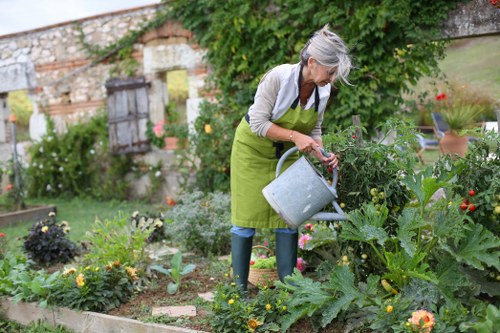
Dalston is a busy, well-connected part of East London, and many outdoor spaces here need to do a lot with very little room. Small gardens can be shaded by surrounding buildings, some yards are split by levels or steps, and many residents simply do not have time for regular mowing, edging, feeding, and re-seeding. Artificial turf can help create a clean, green surface that stays presentable even when natural grass would struggle.
One of the biggest benefits is consistency. Real lawns can become muddy after rain, patchy in shade, or worn down by children, pets, or heavy foot traffic. A well-installed synthetic lawn offers a more even finish and can make a space feel instantly more welcoming. It is also often a practical way to improve shared outdoor areas in blocks of flats or rental homes where maintenance needs to be predictable and manageable.
For local homeowners, the appeal is often about everyday life. You may want somewhere safe for children to play, a garden that looks tidy with less effort, or a surface that works with decking, paving, or planting beds. For business owners, it may be about curb appeal, cleaner presentation, or a professional-looking outdoor area that supports customers, staff, or visitors. In both cases, the key is a careful installation that suits the site rather than forcing a standard layout onto it.
What is included in an artificial grass installation?
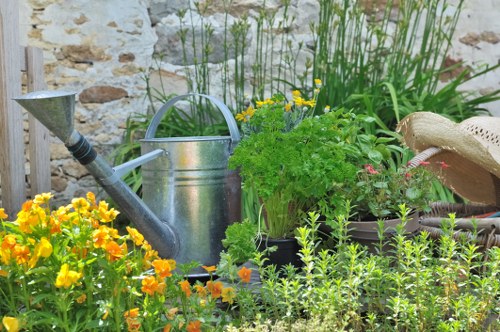
A proper installation is more than laying a roll of turf on top of the ground. The base needs to be prepared correctly so the finish stays level, drains well, and keeps its shape over time. A local installation team will usually begin by assessing the existing surface, measuring the space, and checking access, drainage, and any obstacles that might affect the job.
Typical stages may include:
- Removing old turf, worn paving, soil, weeds, or existing ground cover
- Preparing the area by excavating or levelling where needed
- Installing a suitable sub-base for stability and drainage
- Adding weed membrane where appropriate
- Cutting and fitting the artificial grass to the shape of the space
- Securing joins, edges, and perimeters neatly
- Brushing and finishing the surface for a natural look
The exact process depends on the site. A simple courtyard may need a lighter build-up, while a garden with poor drainage or uneven ground might require more preparation. Good installers will explain the options clearly so you understand what is needed and why. That matters because the quality of the base is one of the main things that affects the lifespan and appearance of the finished lawn.
How the process works from quote to completion
Most local customers want a straightforward process. You may be planning around family life, tenants, business opening hours, or access to shared spaces, so it helps to know what happens next. A professional artificial grass fitting service in Dalston should aim to make the project simple and predictable.
Common steps include:
- Initial enquiry and discussion — You explain the space, what you want the area to do, and any concerns such as pets, drainage, or access.
- Site visit or survey — The installer checks measurements, surface condition, and any practical issues such as narrow side access or parking restrictions.
- Recommendation and quote — You receive a clear explanation of the proposed work and the factors affecting the job.
- Preparation — The existing surface is removed or adjusted, and the base is built to the right standard.
- Installation — The turf is fitted, trimmed, joined, and secured.
- Finishing touches — The area is brushed, checked, and left ready for use.
This process is especially important in built-up parts of Dalston where practical details can affect the project. A team used to working locally will understand that some properties have limited on-street parking, tight access through rear lanes, shared entrances, or stairs to garden spaces. That experience can save time and reduce stress because the work is planned around the property rather than forcing the property to fit the work.
Local property types and site conditions in Dalston
Dalston has a wide mix of homes and business premises, and each type of space brings its own challenges. Traditional terraced houses may have narrow rear gardens with uneven soil or old paving. Flats might have small patios, roof terraces, or shared communal sections. Corner plots and converted buildings can have awkward boundaries, steps, or changes in level. Commercial sites may need a surface that looks smart but can also cope with regular use.
Artificial grass installation in Dalston often needs to be adapted to these conditions. For example, a shaded garden may need drainage improvements to stop water sitting under the surface. A compact courtyard may benefit from a smooth, minimal build-up so the final level works with doors and thresholds. A family garden might need a softer, more resilient turf type with a comfortable pile height. A retail, leisure, or hospitality space might prioritise durability and a clean visual finish.
The best results come from matching the product and installation method to the space itself. That means looking at foot traffic, sun exposure, nearby trees, pets, access to water, and how often the area is likely to be used. A local installer who works regularly in and around Dalston can make more informed suggestions because they have seen the kinds of issues that come up in similar properties nearby.
Benefits for homes, landlords, and businesses

Artificial grass is popular with a wide range of local customers because it solves practical problems while improving the look of an outdoor space. For homeowners, it can reduce the burden of maintenance and create a garden that is ready to use more often. For landlords and letting agents, it can help a property present well to prospective tenants and reduce the need for repeated lawn care between occupancies. For businesses, it can create a more polished and welcoming exterior with less ongoing attention.
Here are some of the main benefits customers often look for:
- Less mowing, edging, and seasonal lawn care
- A tidier appearance throughout the year
- Better use of small, awkward, or shaded spaces
- A cleaner surface for children and pets
- Reduced mud tracking into the home or workplace
- Improved presentation for rental and commercial properties
- A practical option where natural grass is difficult to keep healthy
It is also worth noting that artificial turf can help some customers reclaim spaces that were previously underused. A narrow side return can become a safe walking space or planting backdrop. A neglected patch of ground can become an outdoor seating area. A small front garden can look finished and well kept without demanding weekly effort. If the aim is to make everyday life easier and the outside area more usable, synthetic grass can be a very effective choice.
Preparing for installation: what customers should know
Before the work begins, it helps to think about how you want to use the finished area. That may sound simple, but it affects several practical details. A garden intended for children’s play may need a different underlay or base from one designed mainly for visual appeal. A pet-friendly space may need a layout that makes cleaning easier. A business frontage may need edges that look especially neat and tidy from the street.
A useful preparation checklist includes:
- Clearing furniture, planters, toys, and portable items from the area
- Deciding whether any existing paving, borders, or sleepers should remain
- Thinking about how the space is used now and how you want to use it after installation
- Checking access routes for materials and equipment
- Identifying any drainage or standing-water issues
- Letting the installer know about pets, side gates, shared entrances, or time restrictions
If you live in a building with shared access, flats above ground-floor level, or a rear garden reached through a narrow passage, mention that early. In Dalston, these logistical details can matter as much as the grass itself. A local service is useful because it can account for these conditions from the start, which helps the job run more smoothly and reduces the chance of delays on site.
What affects the price of artificial grass installation?
Customers often want to know what influences the cost of an installation before they request a quote. While exact pricing depends on the site and materials selected, several common factors usually play a role. The size of the area is one of the main ones, but it is not the only consideration. A small garden with difficult access and a poor base can require more effort than a larger, straightforward lawn.
Pricing is commonly affected by:
- Area size — larger spaces need more material and labour
- Ground condition — uneven, soft, or damaged surfaces may need more preparation
- Access — narrow entrances, stairs, and limited parking can affect time and logistics
- Base specification — the type and depth of sub-base needed for stability and drainage
- Type of turf — different pile heights, textures, and qualities are suited to different uses
- Edging and finishing details — borders, joins, and perimeter work can add to the scope
It is usually better to request a tailored quote than to rely on a rough online estimate. That is especially true in Dalston, where two gardens of the same size can be very different in terms of access, surface condition, and finish requirements. A proper quotation should make it clear what is included so you can compare options with confidence.
Choosing the right type of artificial grass
Not all synthetic turf is the same, and the best option depends on how you plan to use the space. Some customers want a natural-looking finish that blends well with planting and garden furniture. Others want a firmer, more hard-wearing surface for active use. Businesses may prefer a style that photographs well and keeps a polished look under regular foot traffic.
Things to consider when choosing turf include:
- Appearance — colour, texture, and pile height can affect how natural the lawn looks.
- Usage — family play areas, pet areas, and display spaces may need different performance levels.
- Drainage — a quality turf should be suitable for wet weather and properly installed to let water move away.
- Comfort — if the space will be used barefoot, seated on, or by children, the feel underfoot matters.
- Maintenance expectations — some surfaces need more brushing or cleaning than others to keep their shape and finish.
When a local installer talks through these points clearly, it becomes easier to choose a product that suits your actual needs rather than simply picking one based on appearance alone. That is especially important in a busy place like Dalston, where the outdoor space often needs to work hard in a relatively small footprint.
Why a local Dalston team can be the better choice
Working with a local team brings practical advantages. A company familiar with Dalston and nearby areas such as Hackney, Stoke Newington, De Beauvoir, Haggerston, and Kingsland is likely to understand the local mix of housing, road access, and site conditions. That means the job can be planned more realistically from the outset, with fewer surprises when materials arrive and work begins.
Local knowledge can help with:
- Access to rear gardens and courtyard spaces
- Understanding parking restrictions and loading challenges
- Planning around residential streets and busier commercial routes
- Working neatly in shared or compact outdoor spaces
- Choosing turf and installation methods suited to local property types
It also helps when you want someone who can look at the space in context. A front garden on a residential street may need a very different approach from a cafe terrace, nursery outdoor area, or office courtyard. Local installers are often better placed to respond quickly, explain the practical trade-offs, and adapt to the realities of the site. That can make the whole experience feel more straightforward and less disruptive.
Commercial and residential artificial grass services
Artificial grass installation in Dalston is not only for private homes. Many commercial customers want an outdoor area that looks inviting without requiring constant maintenance. Hospitality venues, shared workspaces, childcare settings, property managers, and retail premises may all benefit from a surface that looks tidy and is easy to keep in good order.
Residential work often focuses on:
- Family gardens
- Small patios and terraces
- Pet-friendly yards
- Courtyards and side returns
- Balcony-adjacent or roof-terrace-style spaces where appropriate
Commercial work often focuses on:
- Customer seating areas
- Frontage presentation
- Communal outdoor zones
- Low-maintenance outdoor breaks areas
- Sites that need a polished appearance with minimal upkeep
In both settings, the important thing is a neat and durable finish. A commercial space may need edges that stay sharp and clean, while a family garden may need comfort, safety, and easy cleaning. The right contractor will talk through those priorities before starting the work, so the result suits the purpose of the space.
Practical issues to think about in Dalston
Dalston’s urban setting can create a few practical hurdles, and planning around them helps the project run smoothly. Access is often one of the biggest considerations. Some homes have no direct rear access, meaning materials may need to be carried through the property or along narrow side passages. Flats and converted buildings may have shared entrances or restricted working times. On-street parking can also be limited, which makes scheduling and unloading more important.
Other site factors may include:
- Existing trees and roots that affect levelling or drainage
- Awkward boundaries or small irregular shapes
- Hard landscaping that needs careful trimming around
- Water run-off from surrounding paved areas
- Noise or access considerations for neighbours and shared spaces
These issues do not rule out an installation; they simply mean the project should be assessed properly. A skilled installer will look at the space, explain what is needed, and make sure the work is carried out in a way that suits the property and the people using it. That is one of the main reasons local customers often prefer to arrange a site visit before committing to the job.
Frequently asked questions
How long does artificial grass installation usually take?
The time needed depends on the size of the area, the state of the existing ground, and the complexity of access. A small, straightforward garden may be completed more quickly than a space that needs major preparation.
Can artificial grass be installed in shaded gardens?
Yes. Shaded spaces are often one of the main reasons customers choose synthetic turf. However, drainage and base preparation should still be done properly to avoid standing water and ensure a tidy finish.
Is artificial grass suitable for pets?
It can be. Many customers in Dalston choose it for pet use because it is easier to clean than mud-prone natural grass. Product choice and installation method matter, so it is worth mentioning pets during the quotation stage.
Do I need to prepare the ground before installation?
Usually the installer handles the main preparation work, but it helps to clear the area of furniture, loose items, and obstacles. If there are drainage problems, access issues, or old paving to remove, mention those early.
Will it look natural?
A professionally installed lawn can look very convincing, especially when the right product is selected for the setting and the pile is brushed and finished correctly. The edges, joins, and base level also make a big difference to the final appearance.
Can artificial grass be installed in small spaces?
Yes. In fact, smaller urban spaces often benefit most because they can become much easier to use and maintain. Courtyards, side returns, and compact gardens are all common requests in Dalston.
What to expect from a quality local service
When you are looking for artificial grass installation in Dalston, it helps to know what a good service should feel like. It should start with clear communication, continue with careful preparation, and finish with a tidy handover. You should know what is being done, why it is needed, and how the installation will suit your property.
A strong local service usually includes:
- Helpful advice based on the type of space you have
- Clear explanation of the installation stages
- Attention to base preparation and drainage
- Careful cutting, joining, and edge finishing
- Respect for access, neighbours, and property conditions
- A clean, usable result at the end of the job
If you are ready to improve a tired garden, update a courtyard, or make a commercial outdoor area easier to maintain, the next step is simple: request a free quote and talk through the space with a local team. A well-planned installation can add lasting value in everyday use, not just in appearance. Book your service now if you want to move from ideas to a finished outdoor area that works better for your property and lifestyle.
Areas covered around Dalston
Customers in and around Dalston often need services that are flexible enough to cover neighbouring streets and nearby parts of East London. A local artificial grass fitter can usually help across surrounding residential and mixed-use areas where similar property types and access conditions are common.
Areas commonly covered may include:
- Dalston
- Hackney
- Stoke Newington
- Haggerston
- De Beauvoir
- Kingsland
- Nearby East London neighbourhoods
If you are not sure whether your property is within the usual service area, it is still worth asking. Local teams are often happy to discuss access, property type, and project scope before arranging the next step. Contact us today to discuss your space, and take the first step toward a cleaner, lower-maintenance outdoor area that suits the way you live or work.