Garden landscaping in Dalston
Garden landscaping in Dalston is about much more than making an outdoor space look neat. In a lively part of East London where homes, businesses, and shared spaces sit side by side, a well-planned garden can create privacy, improve day-to-day usability, and add a welcome sense of calm. Whether you have a compact courtyard off a terraced home, a rear garden that needs a complete refresh, or a commercial outdoor space that should feel more inviting, the right landscaping approach can make a big difference.
Dalston has a mix of Victorian terraces, newer apartment developments, converted buildings, and small business premises, so no two outdoor spaces are the same. That is why local knowledge matters. A practical, well-designed landscape needs to take into account shade, access, drainage, planting choices, storage, and how the space will be used throughout the year. If you are looking to improve your outdoor area, request a free quote and speak to a team that understands what works locally.
From modern low-maintenance finishes to traditional planting schemes, landscaping should reflect both the property and the people using it. It may be a family garden that needs safer surfaces and clearer zones, a small courtyard that needs structure and light, or a front space that should create a better first impression. Whatever the size or style, garden landscaping in Dalston can be shaped around your routine, your budget, and the way you want to use the space.
Why landscaping matters in Dalston homes and businesses

Dalston is a busy, changing area, and that brings unique challenges for outdoor spaces. Some properties are tucked behind busy roads and need better screening from noise and overlooking. Others have limited access through side returns or internal hallways, which means the landscaping work must be planned carefully from the start. For many residents, the garden is not a huge plot to be transformed into a showpiece; it is a valued extra room that should feel practical, private, and pleasant to spend time in.
For homeowners, a thoughtfully designed garden can help a property feel more spacious and better organised. For landlords and managing agents, good landscaping can reduce complaints about overgrown areas, improve the appearance of communal outdoor space, and support easier upkeep. For cafés, offices, studios, and hospitality spaces, an attractive external area can make the property more usable and more welcoming. A local landscaping team can adapt to all of these needs without overcomplicating the job.
There is also a strong day-to-day benefit. A garden that drains properly, has sensible paving, and includes the right planting can be far easier to manage than one that has been patched together over the years. This is especially important in East London settings where weather, foot traffic, and shared boundaries can all affect the space. Well-planned landscaping does not just look better; it works better.
What garden landscaping services can include

Landscape projects vary, but a good service should begin with understanding how you want to use the garden. Some clients want a low-maintenance finish with clear paving, tidy edging, and resilient planting. Others want a more natural feel with layered borders, seasonal colour, and features such as raised beds or a lawn area. In Dalston, many projects combine practical improvements with visual upgrades so the final result feels attractive and usable at the same time.
A typical garden landscaping service may include several elements, such as:
- Garden layout planning and reconfiguration
- Hard landscaping such as paving, pathways, steps, edging, and retaining features
- Soft landscaping including turf, planting, shrubs, soil preparation, and mulching
- Fence and boundary improvements where needed
- Raised beds, planters, and space-saving features for smaller gardens
- Drainage improvements to reduce water pooling or soggy areas
- Lighting-friendly design choices for improved evening use
- Regular maintenance planning if you want the garden to stay neat over time
Some clients need a full redesign, while others only need part of the garden refreshed. That might mean replacing tired paving, reshaping borders, improving access, or creating a better flow between the house and the outside area. Whatever the scope, the work should be tailored to the property rather than forced into a generic pattern.
How the process usually works
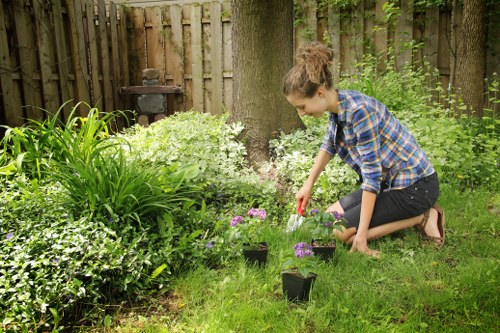
Every landscaping project begins with a clear conversation about the space and what you want from it. This is especially useful in Dalston, where outdoor spaces can be narrow, split-level, shaded, overlooked, or shared. A practical site visit helps identify access points, potential drainage issues, sun exposure, and any features that should be kept or removed. The aim is to build a plan that suits the garden as it is, not just the ideal version in your head.
A straightforward process often looks like this:
- Initial discussion – You explain how you use the garden, what feels wrong with it now, and what you would like to change.
- Site assessment – The team reviews access, dimensions, slope, materials, and any problem areas.
- Design and planning – Ideas are shaped around usability, aesthetics, maintenance, and budget.
- Preparation – Old materials, waste, overgrowth, or damaged features are removed where required.
- Construction and planting – Hard landscaping and soft landscaping are installed in a planned sequence.
- Finishing touches – Edges are tidied, levels are checked, and the space is made ready for use.
Clear planning at the start saves time later. It also helps avoid unnecessary disruption, which matters in dense residential streets or business settings where access may be limited and neighbours are close by. For many Dalston customers, this organised approach is one of the main reasons to choose a local team.
Design ideas suited to Dalston properties
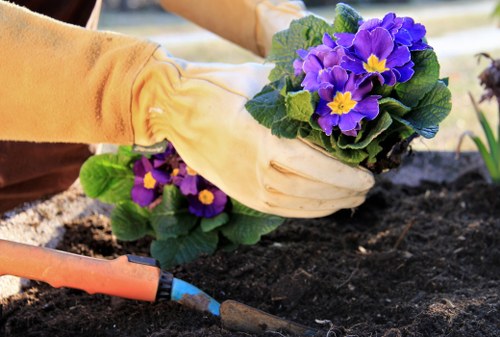
Dalston gardens often need clever use of space. Smaller plots benefit from a layout that creates distinct zones without making the area feel crowded. Larger gardens can support more structure, with a lawn, borders, seating area, and perhaps a planting scheme that gives the space character throughout the seasons. The best designs make the garden feel intentional, even when the space is limited.
Useful design approaches for local properties include:
Low-maintenance urban gardens
These are popular with busy households, professionals, and landlords. They often include durable paving, evergreen planting, gravel or bark in selected areas, and features that are easy to clean and simple to maintain. The aim is to create a smart finish that does not require constant attention.
Family-friendly outdoor spaces
Families may want a mix of open ground, secure boundaries, storage-friendly layouts, and surfaces that are safe and easy to walk on. Gardens in terraced homes often need a strong central area for everyday use, with planting and features placed around the edges to keep the centre open.
Courtyard and patio landscaping
Many Dalston homes and flats have compact external spaces where a full lawn would not be practical. In these cases, paving, containers, vertical planting, and thoughtful screening can turn a tight area into a much more enjoyable part of the property.
Features that often work well locally
Depending on the space, you might consider built-in seating, raised planters, soft planting around boundaries, stepping-stone routes, or subtle lighting-compatible design choices. The key is not to overcrowd the space. Good landscaping makes even a modest garden feel balanced and usable.
Hard landscaping and soft landscaping explained
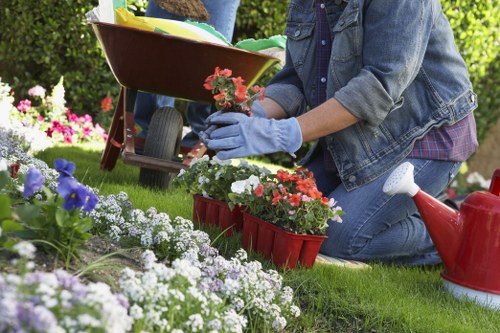
When people look for landscaping in Dalston, they often want both structure and life in the same outdoor space. That is where the balance between hard landscaping and soft landscaping becomes important. Hard landscaping refers to the built parts of the garden, while soft landscaping covers the living elements such as planting and turf.
Hard landscaping
Hard landscaping gives the garden shape and function. It may include patios, paving, pathways, steps, retaining walls, edging, and other structural features. These elements help define circulation, separate different areas, and create a strong foundation for the rest of the design. In compact gardens, hard landscaping can make movement easier and prevent the space from feeling disorganised.
Soft landscaping
Soft landscaping brings texture, colour, and seasonal change. It can include turfing, shrubs, flowering plants, borders, soil improvement, and planting plans that suit the amount of light and care available. In Dalston, where gardens may be overlooked or shaded by nearby buildings, choosing the right plants is especially important. A skilled team can suggest options that are suitable for the actual conditions rather than just the look you want.
Many of the best results come from combining both. A paved area gives you a place to sit, while planting softens the edges and creates privacy. Raised beds can add height, and gravel or mulch can make maintenance simpler. The most effective landscapes are usually the ones that feel natural to use every day, not just impressive on completion.
Local challenges that matter in Dalston
Dalston properties often come with practical limitations that should be addressed before any work begins. Access can be tight, especially in terraced streets or buildings with rear-only garden entry. Waste removal may need to be carefully organised. Materials may need to be carried through narrow side passages or shared paths. A local landscaping team is used to handling these realities and can plan the work accordingly.
Drainage is another common issue. In urban gardens, old paving, compacted soil, or poor levels can cause standing water, especially after heavy rain. This can damage planting, make paths slippery, and reduce how often you use the space. Improving drainage during landscaping can prevent avoidable problems later and protect your investment.
Privacy is also a frequent concern. Many Dalston gardens are close to neighbouring properties, which means the right planting, fence treatment, or layered layout can make the space feel more relaxed. If your outdoor area faces nearby windows or a busy road, the design should help create a sense of enclosure without making the garden feel closed in.
What to expect during a landscaping project
A professional service should be organised, clear, and respectful of your property. That means showing up prepared, protecting surfaces where needed, and keeping you informed about the stages of the work. It also means understanding that some customers want the whole project handled in one go, while others prefer to phase the work over time.
During the project, you can usually expect the following:
- Removal of unwanted materials, overgrowth, or old features
- Ground preparation, levelling, and base work where required
- Installation of paving, borders, planters, or other structural elements
- Soil improvement and planting work
- Checks for finish quality, alignment, and usability
- Basic care advice for the newly landscaped area
Communication matters throughout the job. If a garden needs additional attention once work begins, a good team should explain the options clearly so you can decide how to proceed. This is especially valuable for homeowners and commercial clients who need the outcome to be both attractive and practical.
If you are ready to move forward, book your service now and arrange a visit to discuss the space in person.
Preparation checklist for customers
Some simple preparation can help the project run more smoothly. You do not need to do everything yourself, but a little planning helps the team get started efficiently and reduces delays. This is particularly useful in Dalston, where access and parking may be limited and timing often matters.
- Clear personal items, furniture, toys, and plant pots from the work area if possible
- Decide what should be kept, moved, or removed before the project begins
- Let the team know about shared access points, entry codes, or restrictions
- Identify any fragile surfaces, utilities, or drainage covers that need care
- Consider how you want to use the finished garden so the design suits your routine
- Raise any concerns about pets, neighbours, or delivery access in advance
If you are unsure what to prepare, that is completely normal. A local landscaping company should be able to talk you through the practical steps and help you avoid unnecessary stress. For many customers, the biggest benefit is having a single team manage the job from start to finish.
Pricing factors to think about
It is sensible to ask how landscaping costs are shaped, even if exact figures are not discussed until after a site visit. Prices can depend on several factors, and understanding these helps you compare options fairly. In Dalston, where many gardens need tailored solutions, a proper assessment is often the best way to build an accurate quote.
Common pricing factors include:
- Garden size and the amount of work involved
- Access conditions and how easy it is to bring materials in and out
- The condition of the existing garden and whether removal is needed
- Choice of materials for paving, borders, fencing, and finishes
- Complexity of the design and any level changes or drainage issues
- Planting requirements and whether mature plants or specialist species are needed
- Whether the work is a full redesign or a smaller refresh
A detailed quote should reflect the actual space and the work required. That makes it easier to plan your project properly and avoids surprises later. If you are comparing providers, look for clarity, realism, and a process that respects your budget rather than promising unrealistic outcomes.
Why choose a local company for garden landscaping in Dalston
Choosing a local team is valuable because they are more likely to understand the character of the area and the practical issues that come with it. Dalston includes residential streets, mixed-use buildings, independent shops, and shared outdoor areas, so flexibility is essential. A local company is more likely to know how to work neatly in tight spaces, coordinate access, and keep disruption manageable.
Local knowledge also helps with plant selection and design decisions. Not every garden gets the same amount of sun, and not every surface drains the same way. A team familiar with East London conditions can recommend ideas that suit the reality of the site rather than relying on assumptions. That can lead to a better result and fewer maintenance headaches later.
There is also value in communication and convenience. When you are arranging landscaping for a home, rental property, or business, you want someone who can discuss the job clearly, respond promptly, and understand the pressure of working around daily life. That is one of the main reasons customers in Dalston often prefer a local service for outdoor improvements.
Areas covered around Dalston
Customers looking for garden landscaping in Dalston may also need work in nearby parts of Hackney and the surrounding East London neighbourhoods. A local team can often support projects across adjacent residential and commercial areas, including streets and developments close to the main Dalston hubs, nearby terraces, apartment blocks, and mixed-use premises.
Areas commonly served may include parts of:
- Dalston Junction
- Dalston Kingsland
- Hackney Central
- Stoke Newington
- Haggerston
- London Fields
- De Beauvoir
- Shoreditch
Coverage can vary depending on the job type and schedule, so it is always worth discussing your location when you enquire. If your property is in or around Dalston and you need a team that can manage the practical side of access and planning, contact us today to discuss your space.
Frequently asked questions
Can landscaping work for a very small Dalston garden?
Yes. Small gardens often benefit the most from a smart plan. By improving layout, using space-saving planting, and choosing the right surfaces, a compact area can feel more open and useful.
Do I need a full redesign, or can part of the garden be improved?
You do not always need a complete overhaul. Many customers choose to refresh one area, improve paving, reshape borders, or add planting without changing everything at once.
What if access to the garden is difficult?
This is common in Dalston. A local team can plan for narrow side access, shared entrances, or limited parking and organise the work around those constraints.
Can you help with low-maintenance landscaping?
Yes. If you want a space that is easier to care for, the design can focus on practical materials, resilient planting, and layouts that reduce ongoing effort.
Do commercial properties need a different approach?
Often, yes. Commercial outdoor spaces usually need a finish that is attractive, durable, and easy to manage. A sensible landscaping plan can support both appearance and everyday use.
How long does garden landscaping take?
That depends on the scale of the project, the conditions on site, and the materials involved. A small refresh may be fairly straightforward, while a full redesign will naturally take longer. A site visit is the best way to discuss timing.
What if I only have rough ideas?
That is fine. Many customers know what they dislike more than what they want. A practical discussion can turn those ideas into a workable plan that suits the property and your priorities.
Getting started with your project
If your garden feels tired, awkward, or underused, now is a good time to think about what could be improved. Even modest changes can make a noticeable difference to comfort, privacy, and day-to-day enjoyment. For many Dalston residents and business owners, the right outdoor layout creates a better connection between the building and the space outside it.
Whether you are interested in paving, planting, reshaping a courtyard, or a full garden transformation, a local service can help you plan the work properly and avoid common mistakes. The best results come from a design that respects the site, suits the way you live, and stays manageable over time.
Request a free quote for garden landscaping in Dalston today and take the first step toward a better outdoor space. If you are ready to improve your garden, create a more welcoming entrance, or make a commercial property feel more polished, book your service now and start the conversation.
Helpful final note
Good landscaping is not about adding as much as possible. It is about making the space work better. For Dalston properties, that usually means blending practical surfaces, suitable planting, reliable access planning, and a finish that feels right for the home or business. Done well, it can turn an ordinary outdoor area into a space that is genuinely useful, attractive, and easier to enjoy throughout the year.
Ready when you are
If you want a local team that understands the realities of East London properties, can work with limited access, and can shape a garden around real use rather than theory, professional landscaping is a smart place to begin. Contact us today to discuss your ideas and arrange the next step.